This post may contain affiliate links. Please read our disclosure policy.

How you cook and bake with apples depends a lot on which apples you have to work with. Two cooks can follow the same pie recipe and end up with two different desserts, one in neat slices and one in apple soup.
Apples vary more from one variety to the next than almost anything else in the produce section. Some hold their shape through an hour in a hot oven and some collapse into sauce in twenty what to know about different varieties, plus how to prep and store them.
Why some apples turn to mush
The cell walls in an apple are glued together with pectin, which holds up under heat much better when it has acid and calcium working alongside it. Tart, firm apple varieties generally have more of both, which is why their slices survive a long bake.
Sweeter, softer apples give way early. There is also a surprising amount of air inside an apple, close to a quarter of its volume. Under heat that air turns to steam and pushes outward until the cells rupture and release their juice, and in a snacking apple that happens quickly.
Apples that hold their shape
Granny Smith is a reliable one, tart and firm enough to stay in recognizable slices through a full bake. Honeycrisp, Braeburn, and Pink Lady, which you will also see labeled Cripps Pink, do nearly as well. Gala and Jonagold are in between, sturdy enough for a crisp or a skillet but not for a tall pie you plan to cut into clean wedges.
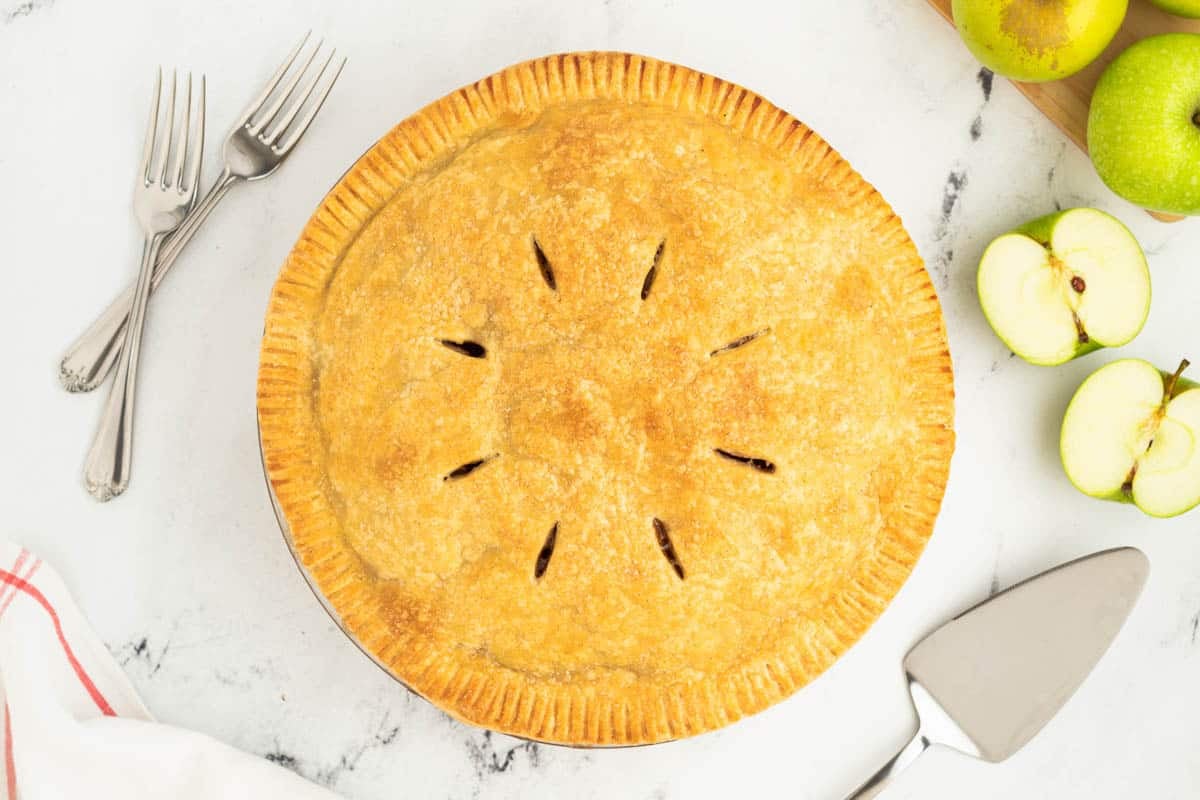
Mixing two varieties in one pie is a common trick, with firm slices for structure and a softer apple to break down around them and fill the gaps. This is what I do in my Double-Crust Apple Pie, where I use a mix of Granny Smith apples and Golden Delicious.
Apples that cook down
McIntosh and Red Delicious soften quickly, which makes them poor choices for pie but great ones for anything you want smooth. Applesauce, apple butter, and any filling you cook on the stovetop all do better with an apple that breaks down completely. I like these apples in Slow Cooker Apple Butter (an excellent recipe to use for gifts).
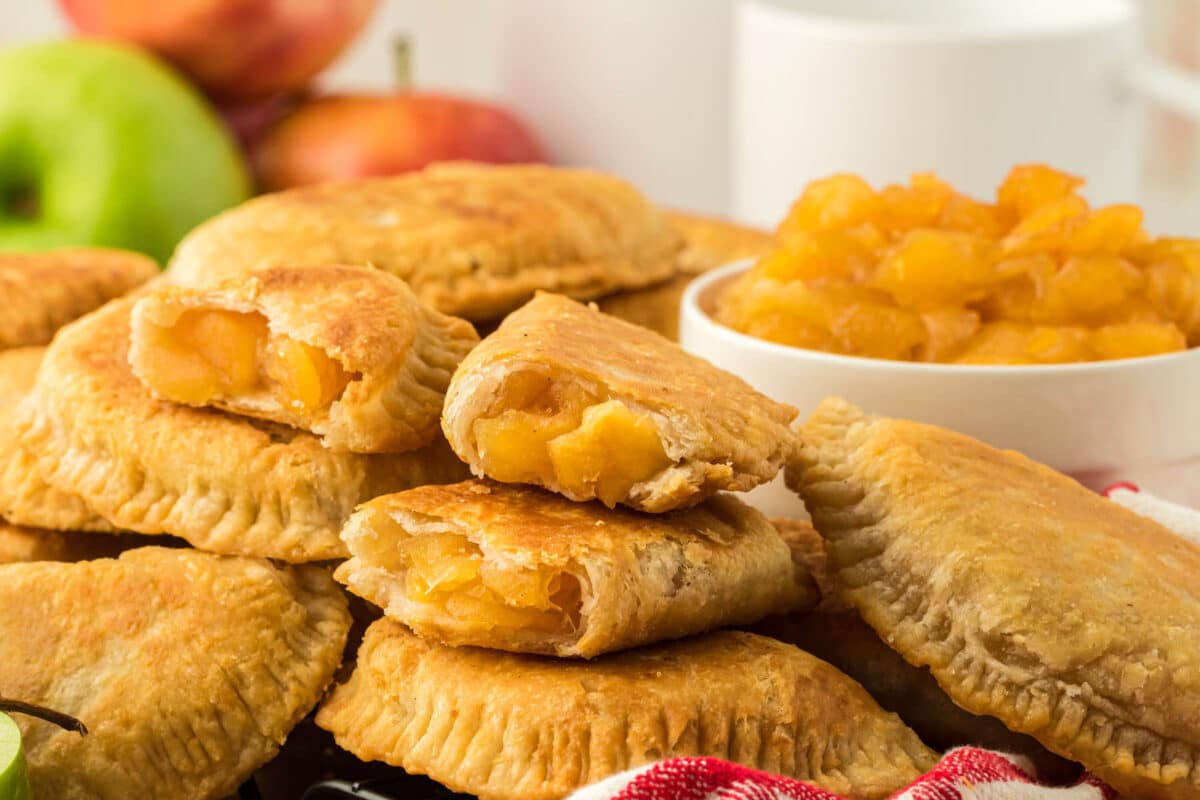
Dried apples are their own category. Granny made her fried pies with dried apples rather than fresh, stewed down with sugar until they were almost jam, and that concentrated flavor is what makes Fried Apple Pies so yummy.
Prepping apples for cooking
Core the apples and cut them to a consistent thickness so they finish at the same time. Peeling is a judgment call and depends on the recipe. I generally lean toward peeling apples for almost all my recipes, not because it’s absolutely necessary, but because I personally don’t like the texture of cooked apple peel.
Always peel if you want a smooth sauce or a neatly sliceable apple pie, and leave the skins on for a rustic sauce. A good bit of the apple pectin is in the peel and red skins will tint the finished sauce pink.
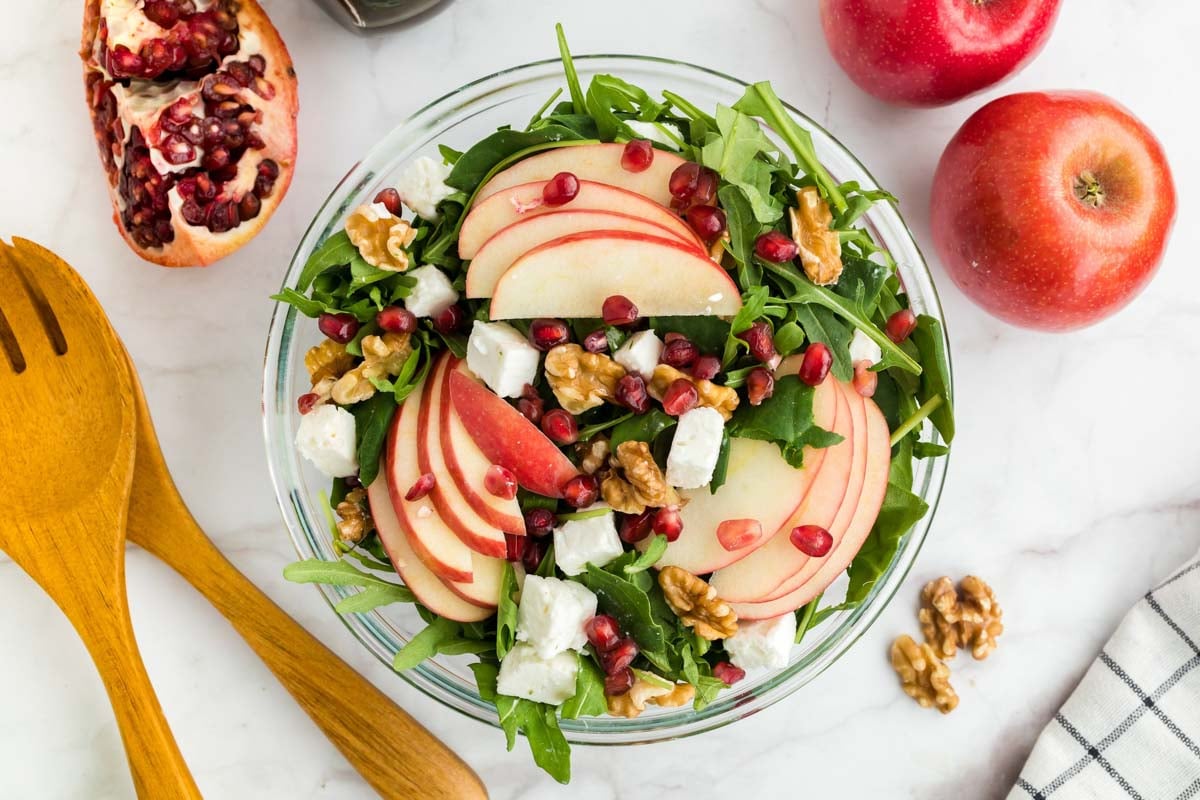
Cut apples turn brown within minutes as the exposed flesh reacts with oxygen. A squeeze of lemon juice slows that process, and even better is a 5-minute soak in salt water (about one-half teaspoon of salt dissolved in one cup of water) followed by a good rinse. Either one helps when you’re slicing ahead for something where you’ll use the apples raw like Apple Pomegranate Salad.
Baking with apples
Apples release a lot of liquid while baking, which can really mess up a pie if you haven’t planned for it. In my apple pies, I use a little Minute Tapioca and I also sprinkle some graham cracker crumbs over the crust before putting the apples in.
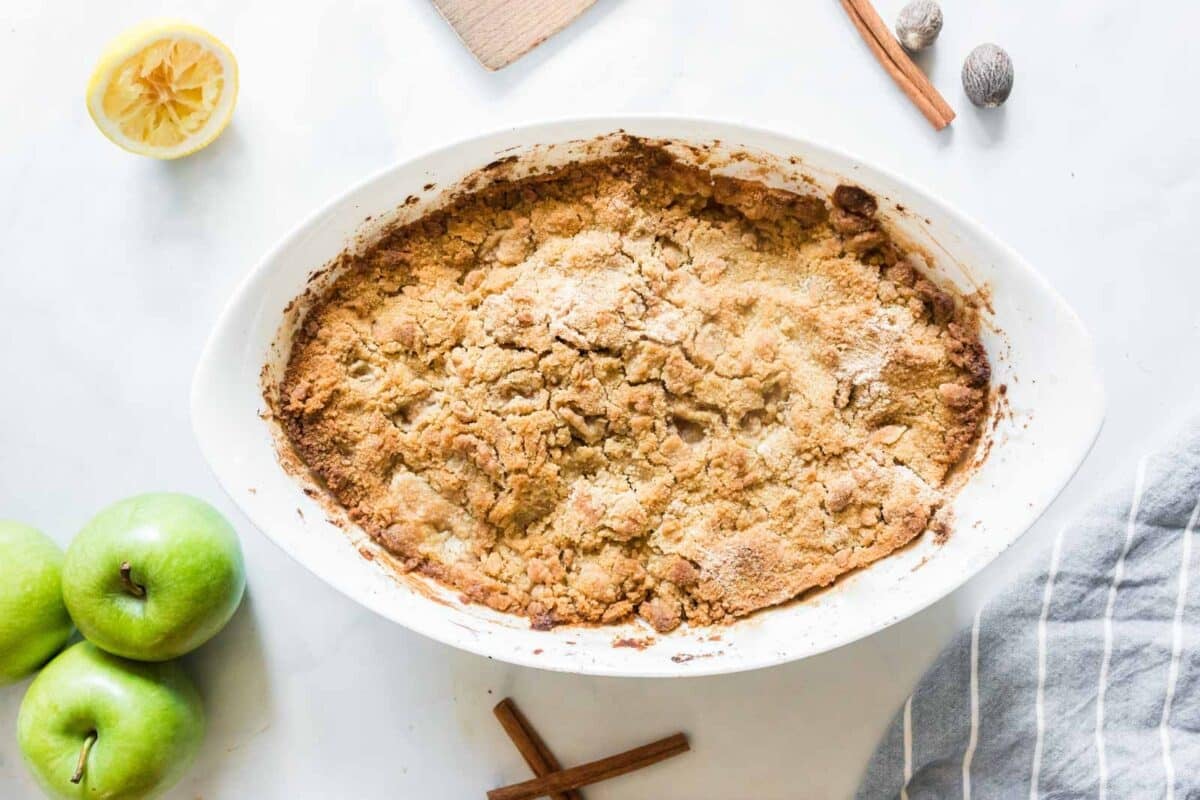
For crisps and cobblers, a spoonful of flour or cornstarch tossed with the fruit is usually enough, which is how I make Apple Crisp Recipe Without Oats, one of the most popular recipes on this site for many years.
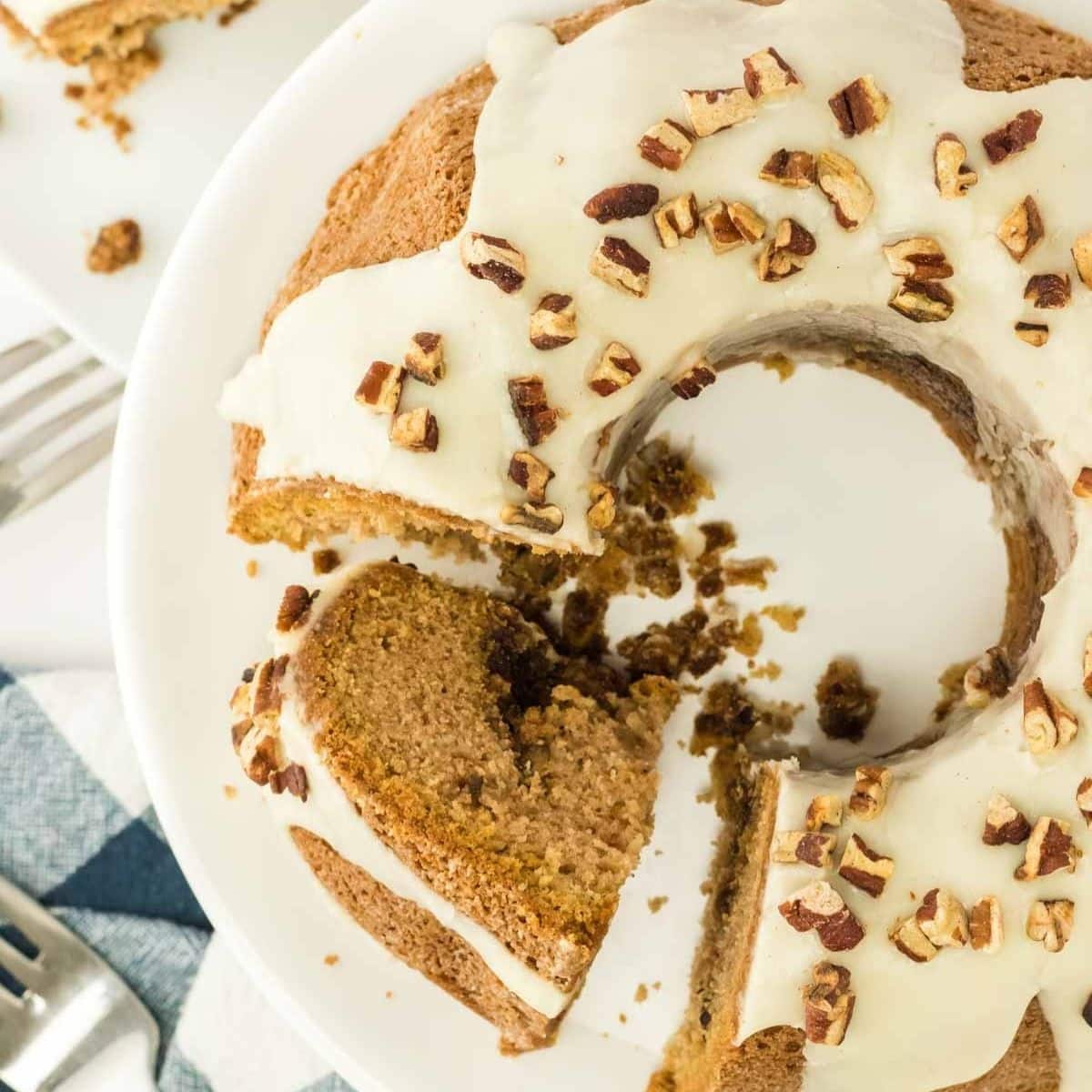
Cake and bread batters need smaller pieces. Dice the apples to about half an inch so they cook through in the same time the crumb does, like in Apple Streusel Bread and Caramel Apple Cake. Pastry gives you more room to work with. French Apple Turnovers are a fast way to use up two or three apples, and Apple Tarte Tatin with Pears turns into a delicious and slightly caramelized cake.
Cooking apples for savory dishes
Apples and pork work well together because the tartness cuts through the fat. Sliced apples cooked in the pan drippings turn into a quick sauce for Pork Chops with Apples, and diced apple alongside sausage gives a nice balance to my Apple Sausage Stuffing.
Raw apples do just as much work on the savory side. Shredded apple adds crunch and a little sweetness to Apple Coleslaw with Cranberries. You do need a firm variety to keep its texture in a slaw that has to sit in the refrigerator overnight.
How to store apples
Whole apples keep four to six weeks in the refrigerator crisper and about a week on the counter, so the refrigerator is the right call for anything you’re not using this week. Apples release ethylene gas as they ripen and cold slows this process. That same gas will soften whatever produce is stored near them, so keep apples in their own drawer away from greens and bananas.
Pull out any bruised or soft ones as you find them. It really is true that one bad apple can spoil the whole bunch!
If you want to store cut or sliced apples, soak them in salt water for about 5 minutes, then rinse and dry and store in an airtight container. This will help them keep up to 24 hours without browning. It’s pretty hard to store cut apples any longer than that without losing quality.
Where to start with apples
If you’ve been apple picking and you’re trying to decide what to make, I suggest starting with my Easy Apple Crisp. I also love this simple and easy Apple Cinnamon Oatmeal in the Microwave. And when the good fall varieties reach the market, that’s the time for longer projects, whether that means a pot of apple butter, a deep double-crust pie, or an afternoon of frying hand pies.
If you enjoyed this article, please leave a comment and ⭐️⭐️⭐️⭐️⭐️ below!
➡️➡️➡️ Reading from your phone? Members of The Red Clay Society read every recipe and article on the site with NO ADS, plus they get The Red Clay Journal, The Red Clay Kitchen cookbook, and The Front Porch, our member community.