This post may contain affiliate links. Please read our disclosure policy.

I almost always have a carton of buttermilk in my refrigerator, and when I don’t, I make a grocery run before I start any serious baking. Buttermilk is one of those ingredients Southern cooks keep on hand right alongside self-rising flour and a good bottle of hot sauce. My Granny used it in her biscuits and cornbread, and I grew up thinking every kitchen had a jug of it tucked in the door of the fridge.
If you didn’t grow up with it, buttermilk can be a little confusing. It isn’t butter, and it isn’t exactly milk either. So let’s talk about what it is, why we use it so much down here, and what to do when you reach for the carton and find it empty.
Pin this now to save it for later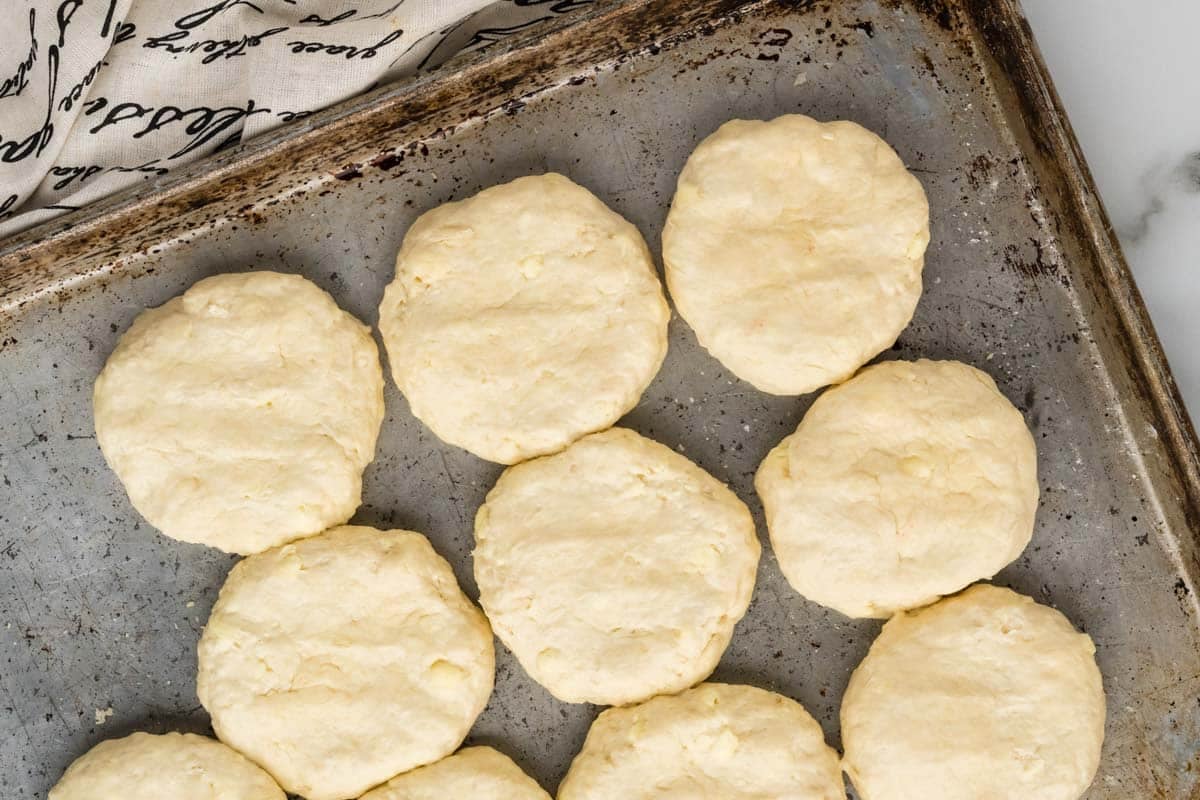
What buttermilk actually is
The name throws people off. Traditional buttermilk was the liquid left behind after churning butter, which is where it got its name. That old-fashioned version was thin and a little tangy, and people drank it or used it in cooking. Plenty of folks still drink it straight. My dad, Papa Jim, loved a tall glass of buttermilk with cornbread crumbled into it, which I think is absolutely disgusting, but he wasn’t alone in that habit.
The buttermilk you buy at the store today is different. It’s called cultured buttermilk, and it’s made by adding bacteria to low-fat or skim milk, sort of the same way yogurt is made. The bacteria sour the milk and thicken it, which gives buttermilk its tang and that pourable-but-not-runny texture. It’s that acidity that makes buttermilk so useful in the kitchen.
Why Southern cooks reach for it
The acid in buttermilk does real work in a recipe. When you combine it with baking soda, the two react and create the little bubbles that make biscuits, cornbread, and pancakes rise and turn out tender. That reaction is the reason so many old Southern recipes call for buttermilk specifically instead of regular milk.
Buttermilk also tenderizes. Soak chicken in it overnight before frying, and the meat comes out juicy, with a little tang underneath all that crispy coating. The acid breaks down the proteins gently without turning the meat to mush, unlike a stronger acid like vinegar.
And then there’s flavor. Buttermilk adds a slight tang that balances out sweet, rich dishes. A pound cake or a stack of pancakes made with buttermilk has a flavor you just don’t get from plain milk.
What to look for at the store
Most buttermilk on the grocery shelf is low-fat, but I buy whole buttermilk whenever I can find it. It’s richer and a touch thicker, and you’ll see it more often the farther south you go. Either one works fine in baking, so the low-fat kind will do if that’s all your store carries. I would skip nonfat buttermilk when a recipe has eggs in it, though, since the extra acid can curdle the batter.
Look for the word cultured on the carton, which is what just about all store-bought buttermilk is now. The original kind, the tangy liquid left over from churning butter, is the real thing, but good luck finding it in a store these days.
If you only bake every now and then, buttermilk powder is worth keeping in the pantry. It’s shelf-stable, you mix up only as much as you need with water, and it does the same job in biscuits, pancakes, and cake. No more pouring half a carton down the drain because it turned before you got to it.
How we use buttermilk in the kitchen
Buttermilk shows up in a lot of Southern dishes. Here are the ways I use it most:
- Biscuits. A proper buttermilk biscuit is hard to beat, and the buttermilk is doing double duty here, both helping the rise and adding flavor.
- Cornbread. My cornbread isn’t right without it. Buttermilk gives the crumb that soft, slightly tangy bite.
- Pancakes and waffles. Fluffier and more tender than the versions made with regular milk.
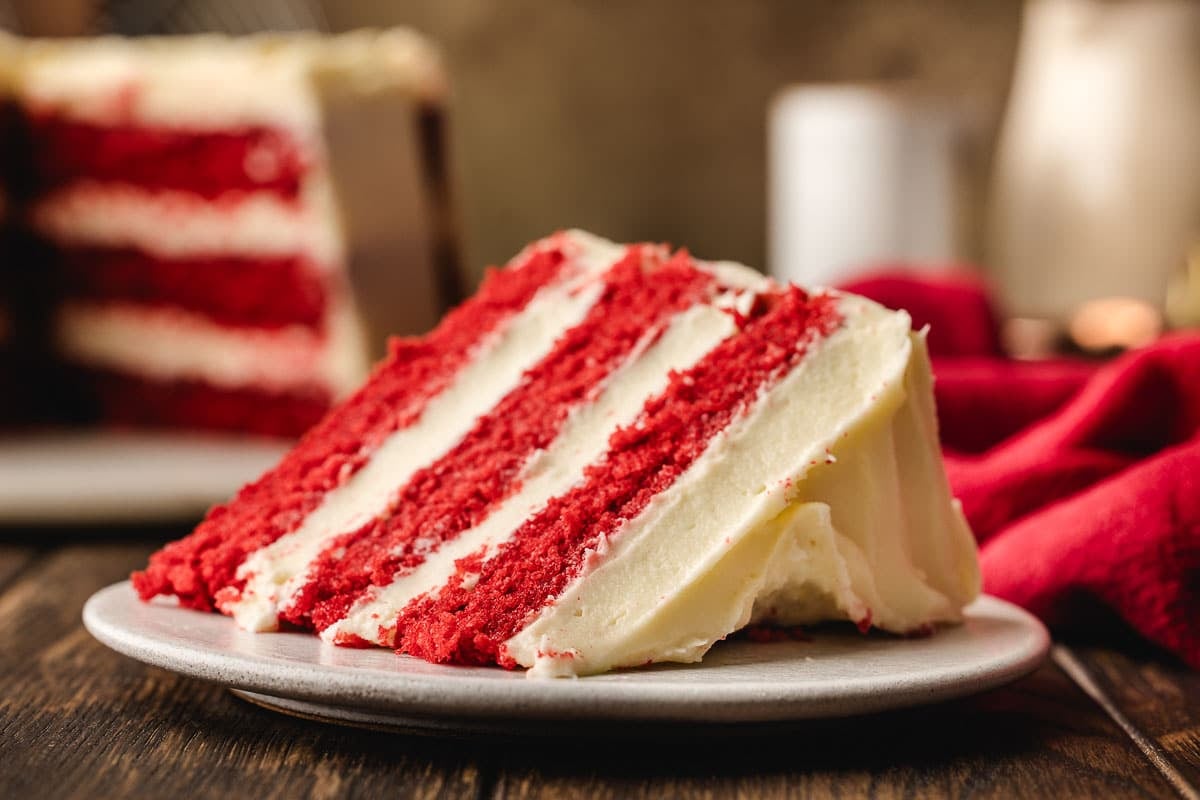
- Cakes. Caramel cake, red velvet, and plenty of pound cakes call for buttermilk to keep the crumb moist and tender.
- Dressings and marinades. Ranch dressing started with buttermilk, and it’s the base for plenty of homemade versions worth making.
Even so, you’ll run out from time to time, and that’s where substitutions come in handy.
Substitutions when you’re out
Say you’re halfway into a recipe and discover the buttermilk is gone or turned. Don’t panic, and don’t run to the store just yet. You have a few options, and most of them use things you already have.
The quickest fix is to make a soured milk. Put one tablespoon of lemon juice or white vinegar in a measuring cup, then fill it the rest of the way to the one-cup line with regular milk. Stir it, then let it sit for 5 to 10 minutes until it looks slightly curdled. It won’t be as thick as real buttermilk, but the acid does the same job in your recipe.
Plain yogurt also works well, especially in baking. Thin it with a little milk or water until it pours, then use it cup for cup. Sour cream does the same thing if that’s what you have. For a dairy-free option, the lemon juice trick works with unsweetened soy milk too.
These swaps are fine for biscuits, cornbread, cakes, and most baked goods. For a marinade or a soak, real buttermilk is the better choice, but in a pinch, any of these will get you through.

Storing buttermilk
Buttermilk keeps well in the refrigerator, usually a week or two past the printed date if it’s been kept cold and sealed. Trust your nose. Buttermilk is already sour, so spoilage shows up as an off smell, mold, or separation that doesn’t stir back together.
If you find yourself with extra, freeze it. Pour it into an ice cube tray, freeze the cubes solid, then store them in a freezer bag. Thawed buttermilk separates and looks a little strange, but it works fine in baking once you whisk it back together. That way, the carton in the back of the fridge never goes to waste again, which is a small victory I’ll take any day.
If you make this recipe, please leave a comment and ⭐️⭐️⭐️⭐️⭐️ below!
➡️➡️➡️ Cooking from your phone? Members of The Red Clay Society read every recipe on the site with NO ADS, plus they get The Red Clay Journal, The Red Clay Kitchen cookbook, and The Front Porch, our member community.