This post may contain affiliate links. Please read our disclosure policy.

Cooking and baking with pumpkin mostly comes down to knowing what’s in the can and how fresh pumpkin differs.
Pumpkin shows up in my kitchen from September straight through Thanksgiving in breads, cakes, cheesecakes, and pies. Here’s what to know about choosing pumpkin, making your own puree, baking with it, and storing the half can you didn’t use.
What pumpkin is
Pumpkin is a winter squash, native to the Americas and a close cousin of butternut and acorn squash. Acorn squash is the one I halve and fill for stuffed acorn squash with sausage and apple. Native peoples grew squash and pumpkins for thousands of years before Europeans arrived.
The big carving pumpkins sold for jack-o’-lanterns are grown for size and thin walls, so the flesh is stringy and watery. Pie pumpkins, sometimes labeled sugar pumpkins, are small and heavy for their size, with thick, sweet flesh that cooks down smooth. If you’re cooking with fresh pumpkin, those are the ones you want.
In the South, pumpkin has always shared the holiday table with sweet potatoes. Plenty of Southern families serve sweet potato pie with freshly grated nutmeg at Thanksgiving, where other regions serve pumpkin.
Canned pumpkin or fresh
Most canned pumpkin is made from Dickinson pumpkins, a pie variety grown for thick, dense flesh rather than looks.
Canned pumpkin is the easiest place to start. It’s thick and consistent, and it’s drier than most homemade puree, which makes a difference when you’re baking. I’m a pretty lazy cook, so I’m not out here cutting up pumpkins. I always use canned pumpkin in my recipes, like pumpkin bread made with molasses. One 15-ounce can holds about 1 3/4 cups.
Check the label before you buy. Pumpkin pie filling looks nearly identical on the shelf, but it already contains sugar and spices, so it will make any recipe that calls for puree too sweet. When a recipe says canned pumpkin, it means 100 percent pumpkin.

Pumpkin Pie With Gingersnap Crust
1 hour 35 minutes

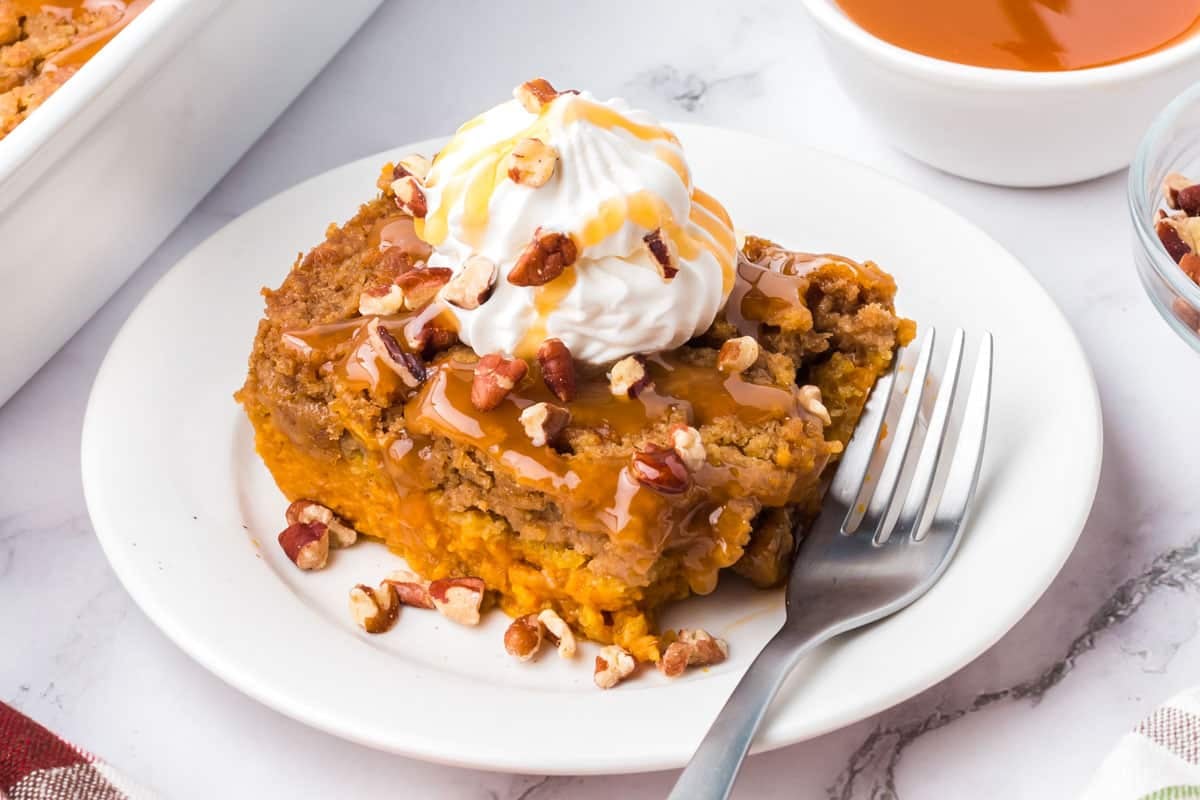
Pumpkin Bread Pudding
1 hour 35 minutes
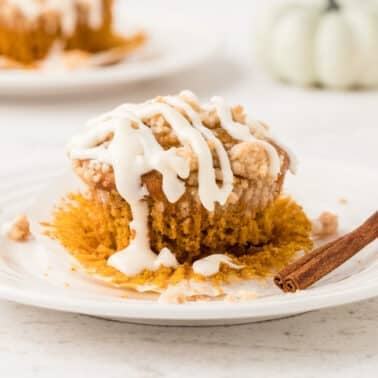
Pumpkin Streusel Muffins
35 minutes
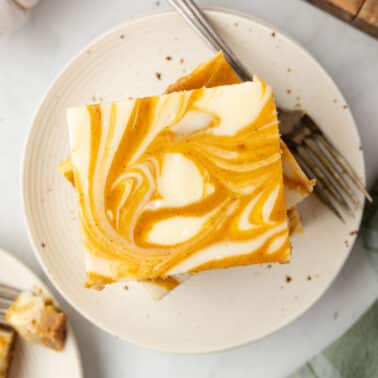
Easy Pumpkin Cheesecake Bars
5 hours 10 minutes
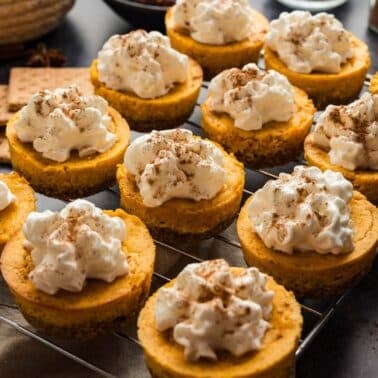
Pumpkin Cheesecake Bites
45 minutes
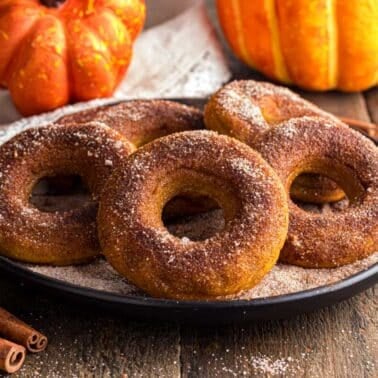
Baked Pumpkin Donuts
37 minutes
How to make fresh pumpkin puree
Fresh puree is lighter in color and milder than canned, and it holds a lot more water.
- Cut a pie pumpkin in half from stem to base and scrape out the seeds and strings. Save the seeds if you want to roast them.
- Place the halves cut side down on a parchment-lined baking sheet and roast at 400 degrees F for 45 minutes to an hour, until a fork slides through the skin and flesh with no resistance.
- Let the halves cool until you can handle them, then scoop the flesh away from the skin.
- Puree the flesh in a food processor until it’s completely smooth.
- Drain the puree in a fine-mesh strainer lined with paper towels or cheesecloth for an hour or two, until it’s about as thick as canned.
Don’t skip the draining. Fresh puree carries far more water than canned, and that extra water can create a gummy center in a quick bread and a soft, weepy cheesecake.
Baking with pumpkin
Pumpkin brings a lot of moisture to a batter, which is why pumpkin breads and cakes stay soft for days. A loaf can look done on top before it’s cooked through, so push a tester all the way to the middle to check. My pumpkin muffins with a cinnamon streusel are a good way to bake with pumpkin in a smaller size, and so are my pumpkin scones with a caramel glaze.
Pumpkin pie is a custard. The eggs set the filling, and overbaking is what cracks it. Pull the pie when the edges are set and the center still jiggles slightly, since it keeps firming as it cools.
Spices that go with pumpkin
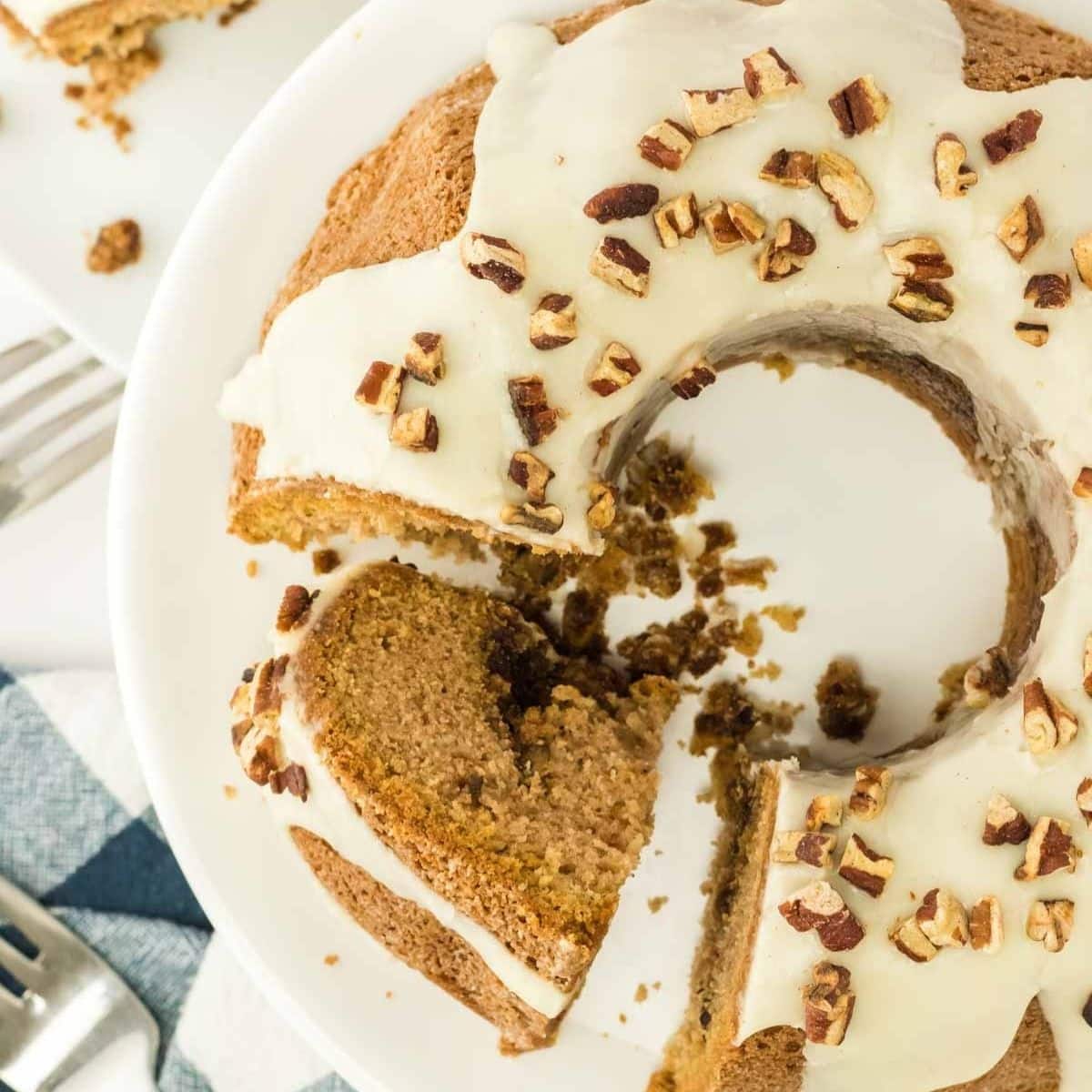
Pumpkin on its own tastes mild, a little earthy and a little sweet. Most of what people call pumpkin flavor comes from the spices: cinnamon, ginger, nutmeg, cloves, and allspice. Mixing your own instead of buying pumpkin pie spice lets you add more ginger or use less clove. My pumpkin crumb cake with cloves and allspice starts with a blend made from scratch for that reason.
Cooking pumpkin for savory dishes
Pumpkin isn’t only for dessert. Cubes of peeled pie pumpkin roast the same way butternut squash does, so the method I use for roasted butternut squash in 1-inch cubes works for pumpkin too. Peel it before cutting, since pumpkin skin stays tough after roasting.
One of my favorites: pumpkin seeds make a good snack and a great salad addition. Rinse off the strings, pat the seeds dry, toss with a little oil and salt, and roast at 325 degrees F for 20 to 25 minutes, stirring every few minutes, until golden and crisp.
Or just buy roasted pepitas at the grocery store like me. Much easier!
How to store pumpkin
A whole pie pumpkin keeps for a month or more in a cool, dry spot. Once you open a can, move what’s left to an airtight container and refrigerate it for three to four days.
For longer storage, freeze it. Portion leftover pumpkin into half-cup amounts in zip-top bags, press them flat, and label each one with the amount. Frozen pumpkin keeps about three months and thaws overnight in the refrigerator.
If you enjoyed this article, please leave a comment and ⭐️⭐️⭐️⭐️⭐️ below!
Want more from my kitchen?
Members of The Red Clay Society view the entire site with no ads, plus they get:
- The Red Clay Journal, my magazine
- The Red Clay Kitchen, a seasonal cookbook
- The Front Porch, our private member community