This post may contain affiliate links. Please read our disclosure policy.

On a farm smack in the middle of Georgia, my grandfather raised pigs, cows, goats, chickens, and planted nearly every crop Southern farmers could plant. We lived mostly self-sufficiently, at least as far as meat and most vegetables went. Everything else came from the store (nobody was out there milling wheat on our farm!).
In the coldest days of winter, Papa would decide it was time to butcher one of the hogs. I never watched the entire process (because they knew I would cry and protest), but I do remember seeing the giant hogs hung from a post or being swirled in a massive iron tub that sat over a fire.
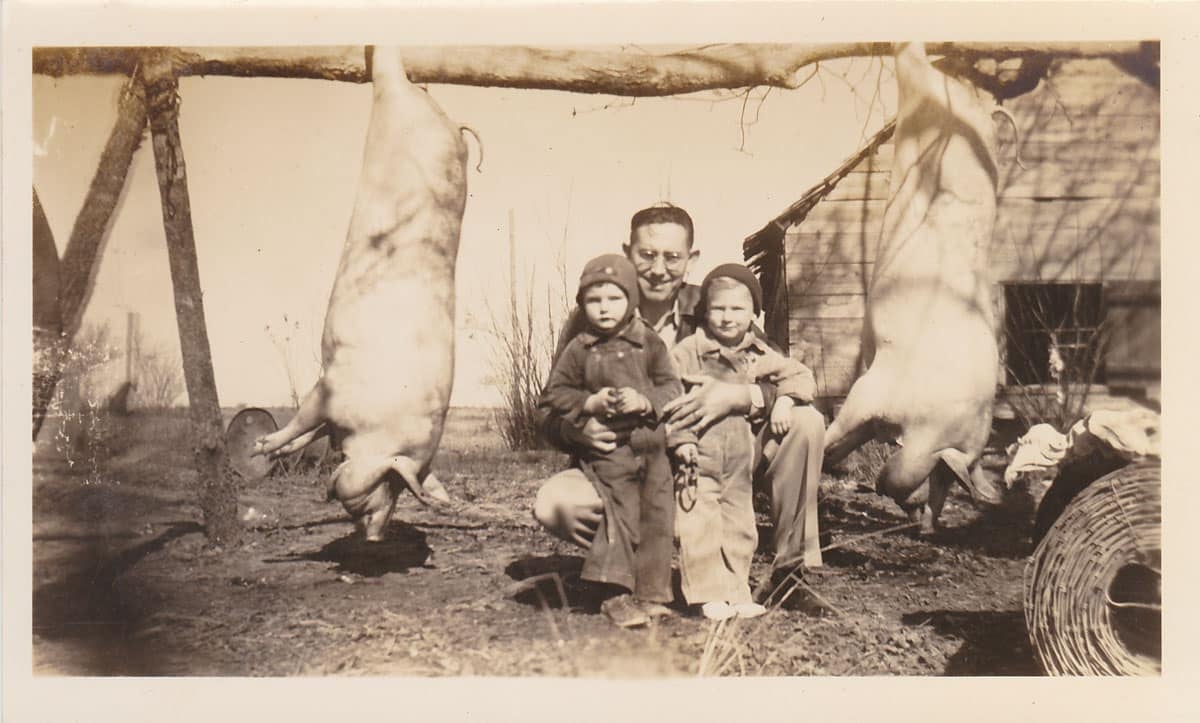
Nearly every part of that animal turned into something we ate. Sausage and cracklins, hams hung in the smokehouse, roasts and chops wrapped for the freezer. Anything leftover, including the head, went into Granny’s Brunswick Stew. Even the feet were used, because pickled pig’s feet were a beloved food in the rural South.
Pork was one of the staples that we had on the farm, and I’ve been cooking it ever since. Some cooking techniques have changed over the years. There used to be a real risk of getting trichinosis (a parasitic disease) from eating undercooked pork; however, these days that risk is not as prevalent. Chefs will cook pork to medium-rare, but I still want mine at least medium-well.
Pin this now to save it for laterPulled pork, oven or smoker
Pulled pork comes from a pork shoulder, which you’ll see labeled Boston butt or picnic shoulder at the store. It’s a tough cut, well marbled with fat and connective tissue, and that’s the whole reason it works. Cook it low and slow, and the collagen melts down, leaving meat that falls apart when you drag a fork through it.
There are two ways to get there. A smoker cooks around 225 to 250 degrees F for several hours, until the pork reads about 205 degrees F. That’s well past the 145 degrees F at which pork is safe to eat, but the shoulder needs those extra hours to break down, and the smoke gives you that pink ring around the edges as a bonus.
The oven gets you to the same tender place without the smoke and without having to man the smoker. Season the meat, cover it, and cook at 300 degrees F for several hours until it shreds easily. Add some of my Homemade BBQ Sauce, and you’re good to go.
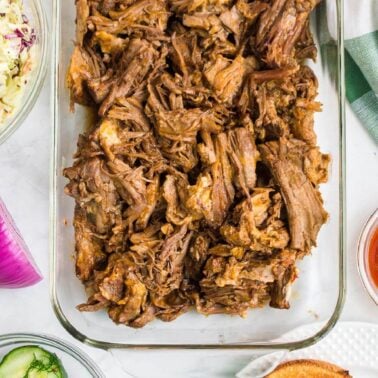
Oven Pulled Pork
6 hours 10 minutes

Pulled Pork Nachos
20 minutes
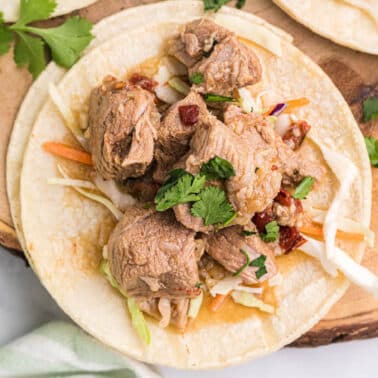
Braised Pork Shoulder
3 hours 30 minutes
Keeping pork chops juicy
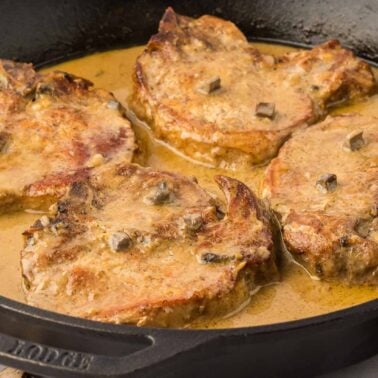
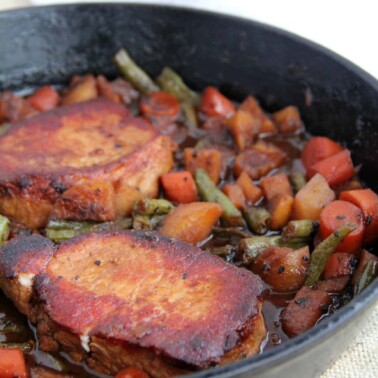
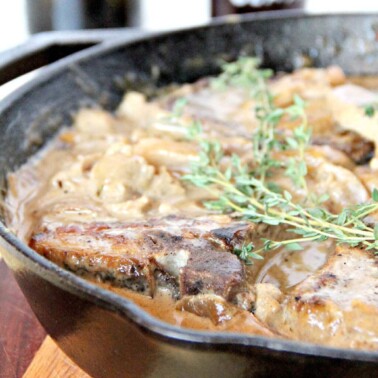
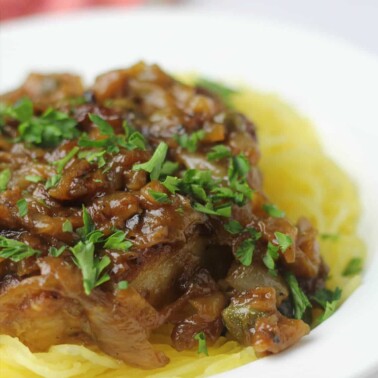
More dinners get ruined by pork chops than by any other cut of pork, and it’s almost always from overcooking. A chop is lean, so the gap between juicy and dry is narrow. The USDA recommends cooking pork chops to an internal temperature of at least 145 degrees F, which will give you a medium-rare chop.
I still have the old-school adage “don’t eat pork if it’s pink” living in my head, so I usually cook chops to about 150-155 degrees F, which is medium to medium-well. If you go all the way to well-done, it’s likely going to be dry.
Fried is how I grew up eating chops most of the time, either dredged in seasoned flour or plain, and cooked in a cast-iron skillet until deep brown and crispy. Baking is easier on a weeknight: sear for color in a hot skillet, then finish in a 375-degree F oven. On the grill, start them on high heat and finish on medium — and don’t wander off, because a lean chop will turn to shoe leather before you know it.
Thickness matters more than people think. Buy chops at least an inch thick if you can find them, because thin ones cook through before the outside ever browns. Unless you’re making fried breakfast chops, in which case you want the thin ones.
Tenderloin is not loin
People mix these up constantly, and they’re two different cuts. Tenderloin is small and narrow, usually a pound or a pound and a half, and it cooks fast enough for a weeknight. You can have one seared and roasted and on the table in about half an hour. A loin roast is a large roast that feeds a full table of folks and takes longer to cook.
Pork tenderloin is good roasted, grilled, or even sauteed. It should be cooked to at least 145 degrees F. Because it’s lean, a marinade or a quick brine keeps it from drying out.
A loin roast is more forgiving but takes longer, though it doesn’t have to be cooked as long as the Boston butt, since you’re not shredding it. A loin roast is much leaner than a shoulder, so you’ll slice it thin. These roasts are perfect vessels for your favorite rub or a glaze, and they also benefit from a long soak in a flavorful marinade.
With either one, use a thermometer instead of guessing by the clock.
Roasting a pork roast
When someone says “pork roast,” they usually mean a shoulder or a loin cooked whole. You shred a shoulder and slice a loin, so decide which you’re after before you buy, because the cut determines the cooking method and time.
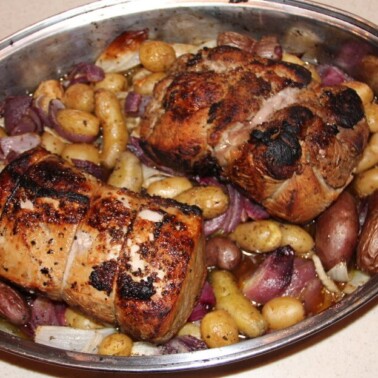
For a Sunday dinner roast, season it well, set it on a rack, and roast until the center hits the right temperature for the cut. Throw vegetables in the bottom of the pan, and they’ll cook down in the drippings while the meat rests.
Cured ham and fresh ham
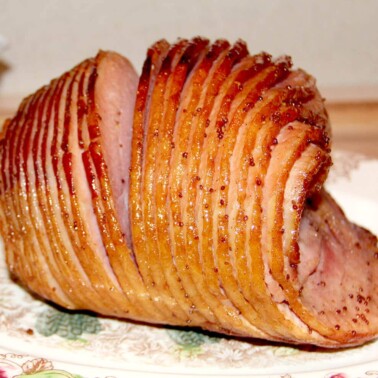
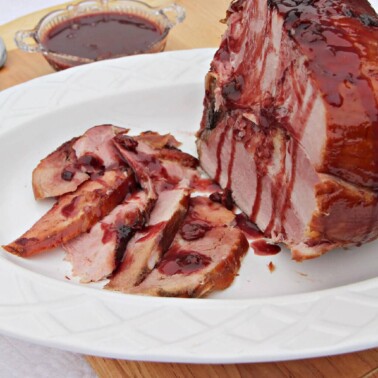
Most hams at the grocery store are already cured and fully cooked, so you’re not cooking raw meat; you’re warming it through and adding a glaze. Heat a cooked ham gently to about 140 degrees F so it doesn’t dry out. Spiral-cut hams, in particular, turn tough and stringy if you cook them too hot or too long. In the oven, tent the ham with foil at 325 degrees F and save the glaze for the last half hour so the sugar doesn’t scorch.
A fresh ham is a different beast entirely. It’s the raw hind leg of the hog, not cured and not smoked, so you cook it from scratch like a big pork roast, all the way to 145 degrees F (at least – you can cook it longer if you want it a little more done). That takes hours, not the gentle reheat a cured ham needs, and it comes out tasting more like roast pork than the pink, salty ham most people picture. Don’t buy one expecting to glaze it and have it on the table in an hour.
A word on whole hog
Whole hog is a different animal, in every sense. It’s a pit, a crowd, and the better part of a day, the kind of cooking you do for a pig pickin’ and not for Tuesday supper. I’m not going to walk you through it here because doing it right takes more than a few paragraphs, and the people who do it every season are the ones you want teaching you. My friend Susie has a great post on this at Hey Grill Hey.
Where to start
If you’ve never cooked a big cut of pork, oven-pulled pork is the easiest place to begin, and it makes enough to feed you for days and/or stash some in the freezer. Once you’re comfortable there, my pork chop recipes will get you through weeknights, and by the time the holidays come around, a baked ham won’t faze you one bit.
If you make this recipe, please leave a comment and ⭐️⭐️⭐️⭐️⭐️ below!
➡️➡️➡️ Cooking from your phone? Members of The Red Clay Society read every recipe on the site with NO ADS, plus they get The Red Clay Journal, The Red Clay Kitchen cookbook, and The Front Porch, our member community.