This post may contain affiliate links. Please read our disclosure policy.
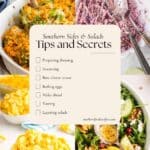
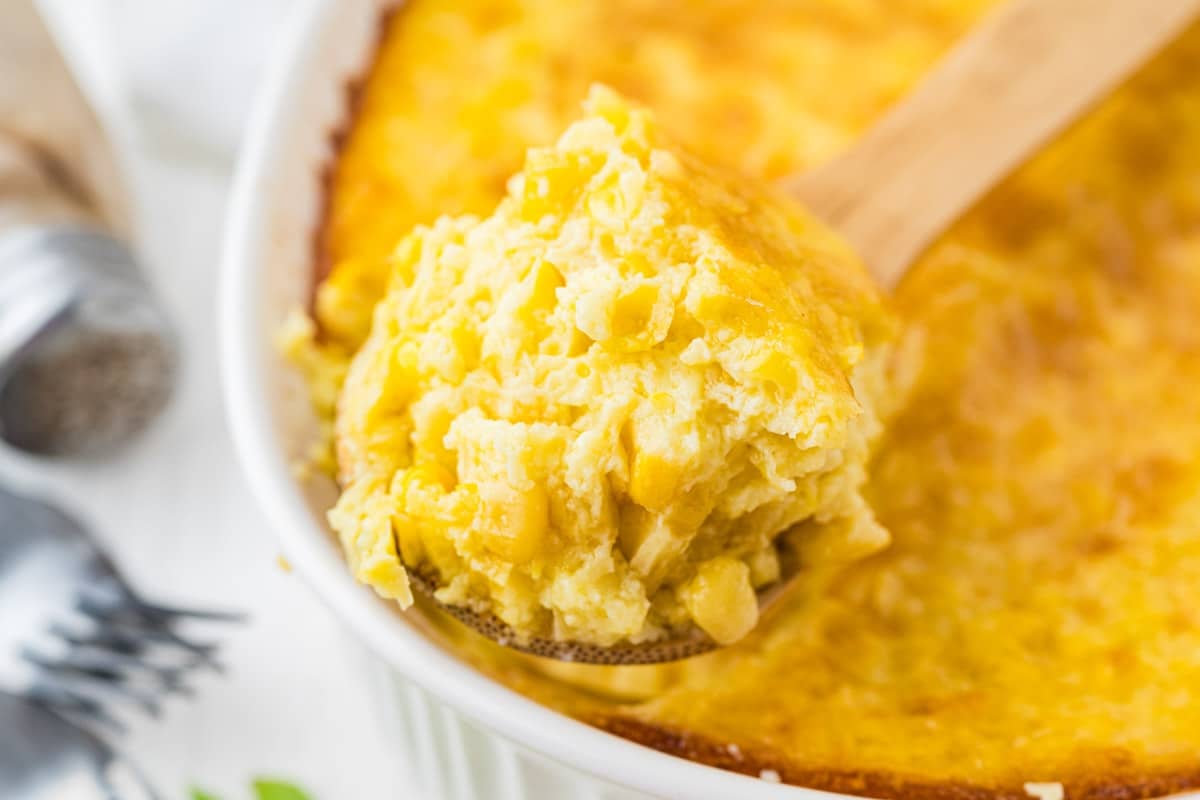
If you’ve ever sat down to a Southern meal and loaded up your plate with sides, you’re in good company. In Southern cooking, the sides matter just as much as the main dish. When I go to a church potluck, I’m filling my plate with Mrs. Ida’s corn pudding, Mr. John’s famous cornbread dressing, and somebody’s fruit salad (for balance!).
Think about a pot of perfectly seasoned green beans, creamy potato salad that’s been chilling all morning, or baked macaroni and cheese with a golden, bubbly crust. These are the dishes people remember and talk about on the way home.
So let’s talk about what makes them work. Not just the recipes, but the habits, techniques, and Grandma’s secrets that take a good Southern side to a really great one.
Start with the right mindset
Southern cooks figured out a long time ago what takes other cooks a while to learn: sides deserve the same attention as the main dish. That means seasoning at every stage, tasting as you go, and giving yourself plenty of time. Most Southern salads and sides are better when they’re made ahead.
💡Tip
Plan your meal so that cold salads and sides get made the morning of or even the night before. The flavors develop as they sit, and you’ll have a lot less to think about when it’s time to pull everything together.
Potato salad: Everybody has an opinion
Potato salad is one of those dishes that comes with strong opinions. Mustard or no mustard? Sweet pickles or dill? Warm or cold? Which type of potato? There’s no wrong way, there’s only the way you like to make it and eat it.
I like potato salad on the warmer side, and I like fewer onions, more mustard, and dill pickle. My husband would eat all the onions, less mustard, and sweet pickles! So, that’s another thought about potato salad — yours may be the absolute best in three counties, but somebody isn’t going to like it because it’s not the way their Mama made it.
I also prefer russet potatoes, but plenty of folks will die on the hill of thin-skinned potatoes like Yukon Gold or red potatoes.
With that said, there are some tips that will improve any potato salad:
Cook your potatoes the right way. Put them in cold, well-salted water and bring it to a boil, rather than adding them to boiling water. This helps the potatoes cook evenly. They should be tender but not falling apart. A fork should go in easily, but the potato should keep its shape.
Drain thoroughly. Allow the cooked potatoes to sit in the colander and drain while you get everything else ready. You want the potatoes as dry as possible before you add any dressing.
Go easy on the dressing. Add it gradually. You can always add more, but you can’t take it out once it’s in there. The goal is a creamy, cohesive texture, not swimming in mayonnaise.
💡Tip: Even if you’re using sweet pickles, try adding a little dill pickle juice into your dressing. It adds a bright, tangy note that’s hard to put your finger on, and people will ask what you did differently. You don’t have to say.
Give it time to chill. Let the potato salad cool down before you put it in the fridge, or it will develop condensation and get too soggy. If serving it cold, let it chill for at least a couple of hours so it really comes together.
Or serve it warm. Lots of folks (myself included) like a warmer potato salad. To me, when the potato salad is room temperature, you can taste all the flavors so much better. But you do you. If you like it cold, go for it.
Coleslaw: Your base for color and flavor
Coleslaw shows up everywhere in Southern cooking, alongside barbecue, piled onto a pulled pork sandwich, or next to a plate of fried catfish. It can be creamy or vinegar-based, finely shredded or chunky, and each style has its place.
Shred your own or use the pre-shredded bagged cabbage. Now, my Mama does not ever use the pre-shredded bagged cabbage, but I sure do. A whole head of cabbage makes A LOT of coleslaw, so unless I need to make it for a crowd, one bag is usually plenty for my family.
Balance matters. Good slaw has a balance of sweet, tangy, and savory (swavory is the new word!). Taste your dressing before adding it to the cabbage, and adjust it until it tastes right. Don’t just follow the recipe blindly.
Add some texture. Shredded carrot is standard, but thinly sliced green onion, a little celery seed, or even some shredded or chopped apple can make a basic slaw more interesting. One of my favorite slaws is my Pineapple Jalapeno Slaw.
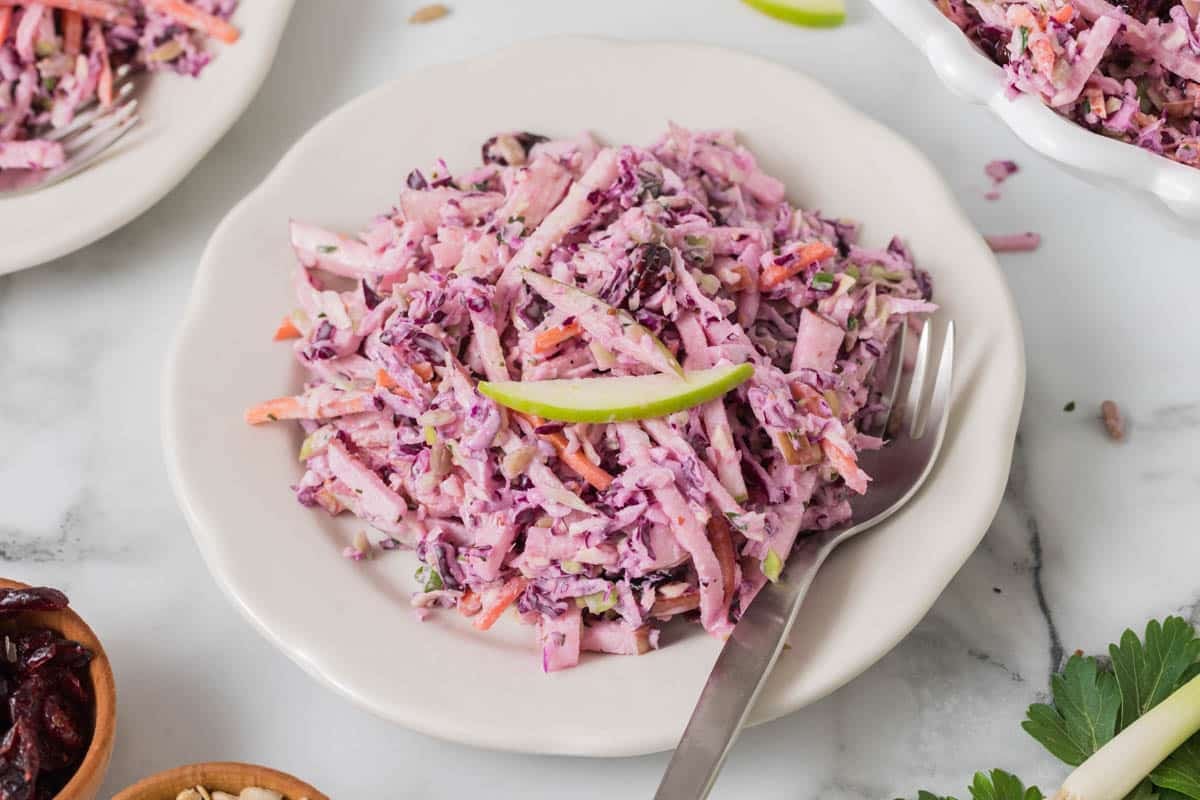
💡Tip: Here’s my no-recipe recipe for coleslaw that I grabbed from Southern Living probably 30 years ago: To a bowl of cabbage (use the bag or shred your own), pour in some T. Marzetti’s Coleslaw Dressing, add a little dill pickle juice and sprinkle in some celery seeds. Stir, taste, add salt and pepper to taste — that’s it! You’ll figure out proportions as you make it.
Green beans: low and slow
Southern-style green beans are a completely different thing from the crisp-tender green beans you see in a lot of modern cooking. They’re cooked long and slow with pork, usually a ham hock, some bacon, or a piece of fatback, until they’re silky, deeply savory, and flavored all the way through. Fortunately, green beans cook quickly, so they’ll take at most 45 minutes to an hour.
Build your cooking liquid first. Add your pork, maybe a little onion, salt, garlic powder, and pepper to the pot before the beans go in. Let it simmer for a few minutes so the liquid has some flavor and depth before the beans ever hit the pot.
💡Tip: Taste the green beans as they cook. When they’re almost done, they should be well-seasoned and flavorful. Fix it in the pot, not on the plate.
Let them cook long enough. The beans are done when they’re tender, silky, and have lost most of the bright green color. You don’t need to cook them until they’re super mushy, but Southern green beans do need to be fully cooked and tender.
Macaroni and cheese: A Southern favorite
Baked macaroni and cheese, not the stovetop mac and cheese, is a serious Southern side dish that takes a little more effort and gives you a lot back for it. The foundation of my Creamy Mac and Cheese is a good béchamel (butter, flour, and milk) and cheese that melts well and adds flavor.
Sharp cheddar is your base, but don’t stop there. Sharp cheddar gives you so much flavor, but adding a little Gruyère, Monterey Jack, or even cream cheese can make everything creamier and add some interesting flavor.
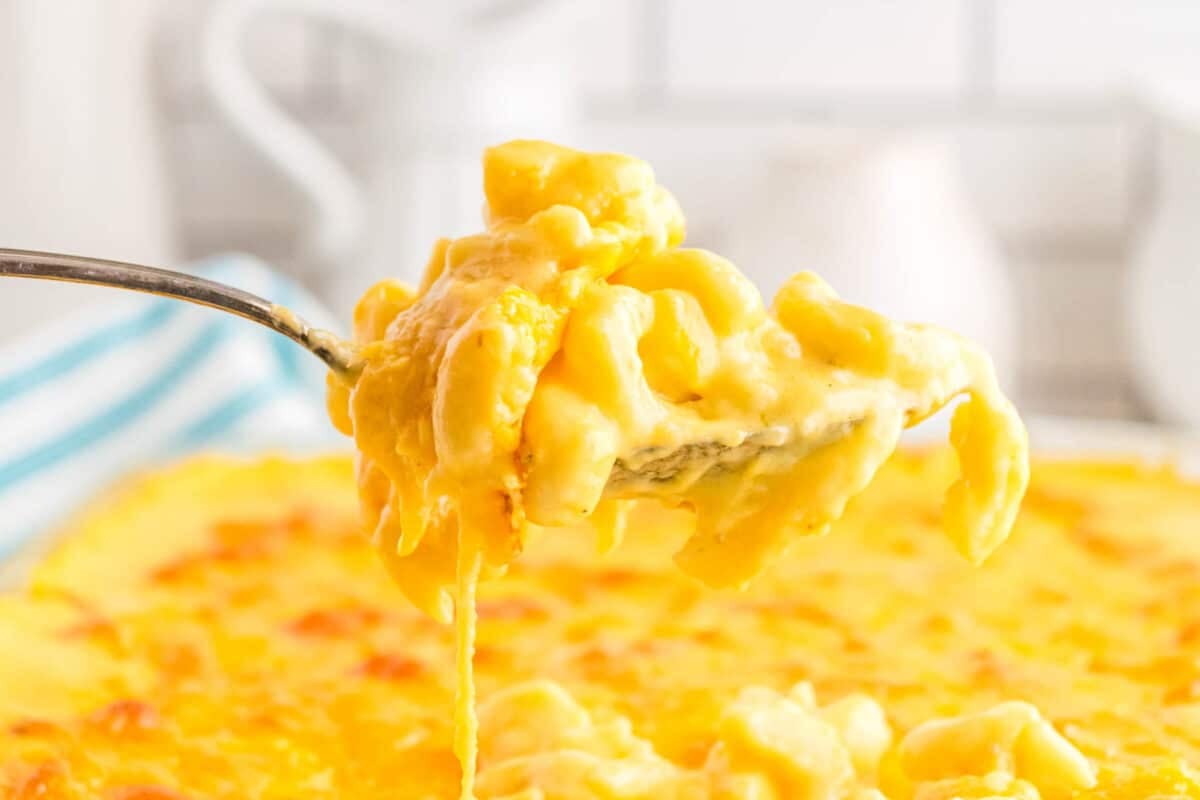
💡Tip: Shred your own cheese. Pre-shredded cheese is coated with an anti-caking agent that interferes with melting and can make your sauce grainy. It takes five extra minutes and makes a real difference.
Undercook your pasta slightly. Pull it a minute or two before it’s done. It finishes cooking in the oven, and overcooked pasta going into a casserole dish means mushy pasta coming out of it.
Don’t skip the eggs. Or do. Some traditional Southern baked macaroni and cheese recipes use eggs to create a custardy, sliceable texture rather than a creamy one. If that’s the style you’re going for, beat your eggs well before adding them.
💡Tip: A little dry mustard powder and a pinch of cayenne in your cheese sauce can add depth without making the dish taste spicy.
Deviled eggs: the simple side
You’re not going to find many Southern potlucks without a platter of deviled eggs on the table — and always in somebody’s grandmother’s deviled egg plate. There may be two or three different versions, too, since deviled eggs are like potato salad: there’s no wrong way but plenty of different ways to make them.
These tips can help you make the best deviled eggs, regardless of what fixins’ you opt to add.
Cook your eggs properly. My whole life, I’ve believed you were supposed to put cold eggs in the pot, cover with water, and bring to a boil. But according to Serious Eats and America’s Test Kitchen, if you start the eggs in boiling water, they will be much easier to peel.
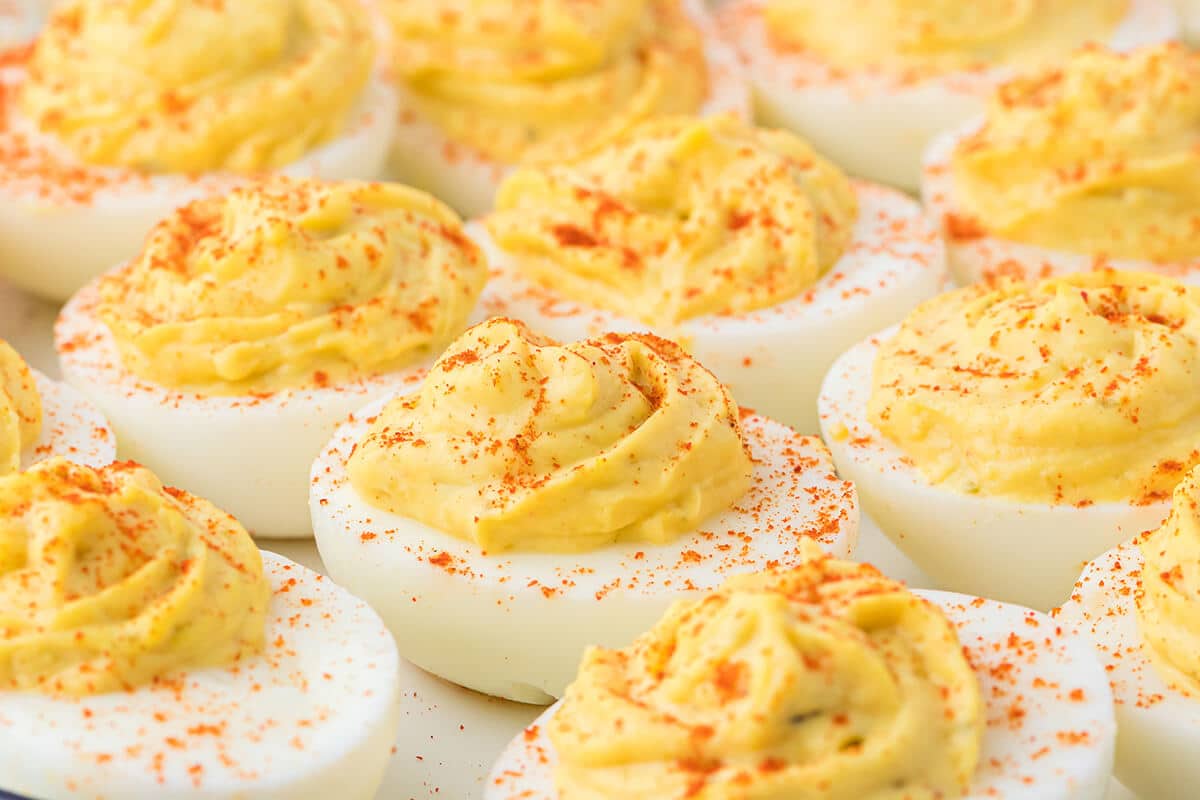
If using the cold-water method, place the eggs in a single layer in a pot, cover with cold water by about 1 inch, and bring to a boil. Once the water boils, take the pot off the heat, cover it, and let the eggs sit for 10-12 minutes, depending on how you like your eggs. Drain and plunge right into an ice bath or just rinse well with cold water for several minutes. This gives you firm but creamy yolks with no green ring.
Peel them under running water. Gently tap the shell all over, then peel the eggs under a thin stream of running water.
💡Tip: Very fresh eggs are harder to peel. Eggs that are a week or two old peel much more easily.
Season your filling well. The filling should be well-seasoned and balanced. Good mayonnaise, Duke’s of course, mustard, a touch of pickle juice, salt, and pepper are the classics. Sprinkle some paprika on top.
Use a bag to pipe the filling. A zip-top bag with one corner snipped off works just as well as a pastry bag and makes the filling look neat.
Corn: Kids’ favorite vegetable
Corn shows up in Southern cooking in so many ways, from creamed corn to skillet corn to corn pudding to corn on the cob. Fresh corn in season is hard to beat, but good frozen corn is a solid substitute when you need it.
Cut the kernels without the mess. Stand the cob upright in the center hole of a Bundt pan. The pan catches the kernels as they fall, keeping them from scattering across the counter. I like using one of these corn scrapers rather than a knife for this job.
💡Tip: After you’ve cut the kernels off, run the back of your knife down the cob to scrape out the remaining corn milk. That starchy, sweet liquid is what makes creamed corn and corn pudding so rich. Don’t leave it on the cob.
Don’t overcook fresh corn. Fresh corn on the cob needs just a few minutes, whether you’re cooking it in boiling water or on a hot grill. Overcooked corn turns starchy and loses its natural sweetness.
💡Tip: My non-recipe recipe for the best corn on the cob: Shuck the corn and wrap it in a damp paper towel. Microwave 3-4 minutes. Done and perfectly cooked! (Some people leave the corn in the husk for this method, but I like to go ahead and shuck it so I can slather it with butter while it’s hot.)
Baked beans: sweet and tangy
Good baked beans are about patience. Whether you’re starting from dried beans or using canned beans as a shortcut, the flavors need time to develop. Onion, bacon or salt pork, molasses or brown sugar, mustard, and a splash of vinegar or Worcestershire sauce are your building blocks.
💡Tip: If you can find a true bean pot, use it. My mother has one, and I believe it makes the best baked beans.
Use low heat and plenty of time. Southern baked beans do best at 300 to 325 degrees for several hours. Stir them occasionally and add a splash of water or broth if they start looking dry.
Do a final taste check. Before the beans come off the heat, taste and adjust. The sweet, smoky, and savory notes should all be present and balanced.
Casseroles: the Southern workhorse
Southern casseroles, like squash casserole, sweet potato casserole, broccoli casserole, and green bean casserole, are made for feeding a crowd. They travel well, reheat beautifully, and most can be assembled a day (or longer) ahead and baked when you need them.
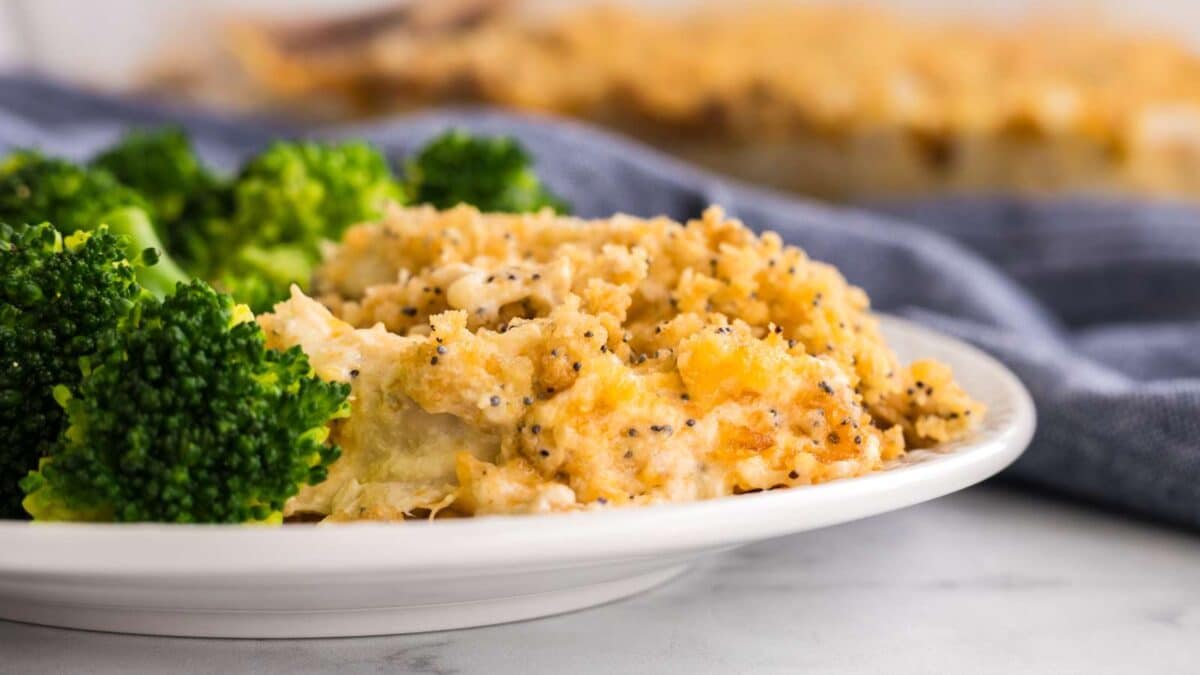
Don’t cut the fat. Butter, cream, cheese, and sour cream aren’t optional in most of these recipes. They’re what make a casserole comforting rather than dry and forgettable.
💡Tip: If you’re assembling a casserole the day before, wait to add any breadcrumb or cracker topping until right before it goes in the oven. Otherwise, it’ll get soggy, and the topping won’t crisp up.
Season your vegetables before they go in. Whether you’re using cooked squash, blanched broccoli, or sautéed onions, season them before adding them to the casserole dish. Seasoning in layers always works better than trying to fix it at the end.
Don’t be afraid of the cream-of-whatever soup. Listen, I know. Is that stuff even real food? But Southerners have been using cream soups in casseroles for many years. If it ain’t broke, don’t fix it. With that said, there are plenty of recipes out there for homemade cream-of-whatever soup, so if that’s your jam, go for it.
Salads that may or may not have lettuce
A lot of Southern-style salads are actually meant to be made ahead, and they get better for it. I’m not talking about green salads, obviously, because most lettuce can’t stand up to hours of dressing. But a good kale salad can be made in advance, along with some of these other Southern favorites.
We like to call them salads, but don’t get any ideas about these being rabbit food.
Layered Salads
The classic layered salad, with lettuce, frozen peas, hard-boiled eggs, shredded cheese, and green onions, topped with a mayonnaise dressing, is specifically designed to sit overnight. The dressing slowly works its way through the layers, and by the next day, it’s ready to serve.
💡Tip: A pinch of sugar in a vinegar-based dressing rounds out the acidity without making the salad taste sweet. Start with half a teaspoon and go from there. I usually add a couple of spoonfuls to my famous Lemon Vinaigrette.
Marinated Vegetable Salads
Cucumber salads, tomato salads, three-bean salads, and marinated vegetables all fall into this camp. They’re dressed with a vinaigrette-style dressing and left to marinate for a few hours. The vegetables soften slightly and absorb the dressing, making them tangy and slightly sweet.
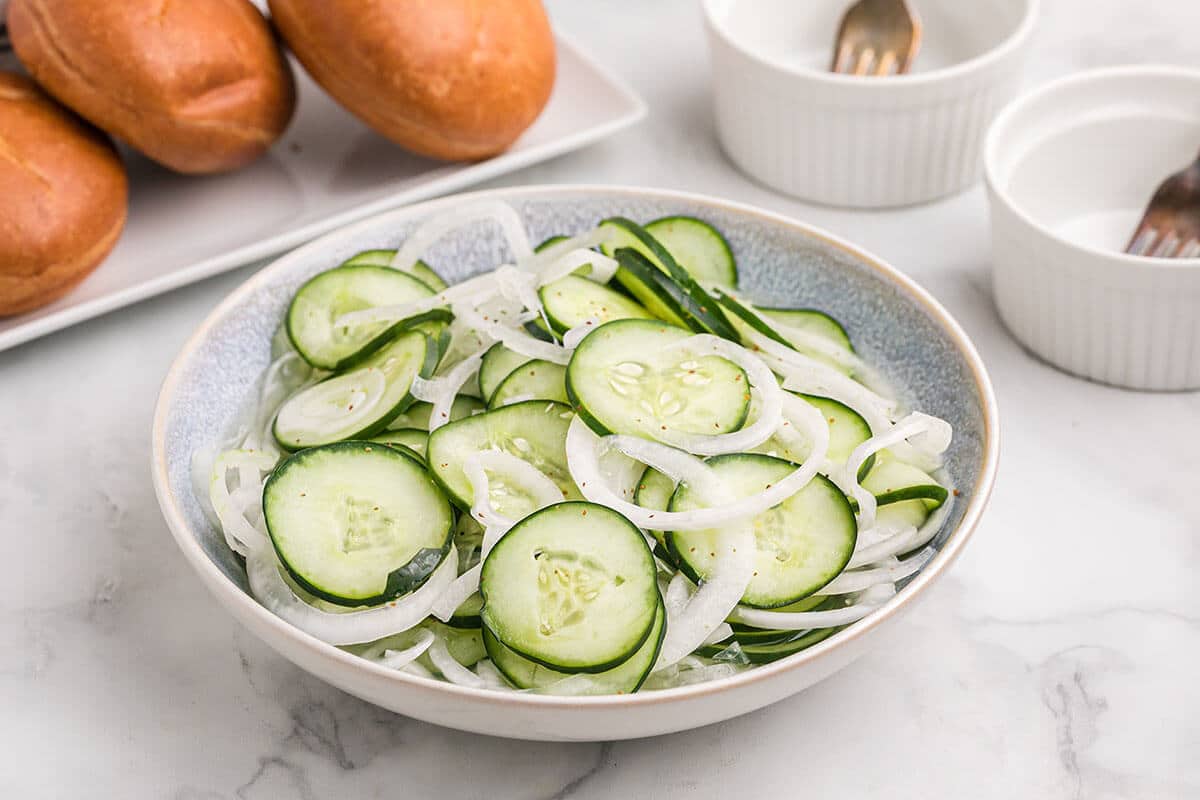
💡Tip: Cut your vegetables uniformly for any marinated salad. Pieces that are roughly the same size will marinate at the same rate and look much better on the table.
A few tips that apply to almost everything
No matter what you’re making, these habits will improve almost every Southern salad and side you put on the table.
Taste as you go. This sounds obvious, but it’s the step most people skip. Taste at every stage and adjust before it’s too late. If I’m hosting a dinner party or Thanksgiving, I’m usually almost full by the time we sit down to eat.
Salt properly. Under-salted food tastes flat, no matter what else you put in it. Season in layers, and always taste before you serve. See above ⬆️⬆️⬆️
Give yourself time. Most Southern sides are better when they’ve had time to rest or chill. Build your cooking schedule around the proper timing rather than trying to rush things at the last minute.
Use good ingredients. Fresh herbs, quality mayonnaise, real butter, good bacon: these ingredients matter. If it doesn’t taste good on its own, it won’t taste good in a recipe either.
Write it down. If you make a potato salad that turns out perfect, write down what you did before you forget. The best home cooks know their own recipes, and that only happens when you keep track.
Sprinkle everything with love. The most common ingredient in Southern food is LOVE. Whether you’re making something for your friend who’s sick, your daughter who just had a baby, or a family who’s grieving…folks can taste the love. It’s what makes our food so special.
The truth about Southern sides is that most of them aren’t complicated. They’re built on good ingredients, solid technique, and a willingness to take your time. Once you understand what you’re actually trying to accomplish with a dish, you can make it your own, and that’s when it gets really fun.
If you make this recipe, please leave a comment and ⭐️⭐️⭐️⭐️⭐️ below!
Join Southern Food and Fun Community group
and Southern Potluck group!
And please follow us on social media: