This post may contain affiliate links. Please read our disclosure policy.
Southern vegetables get cooked a handful of ways, and the same vegetable turns out completely different depending on which one you pick. Summer squash simmered with onion is soft and buttery. That same squash sliced thin, dredged in cornmeal, and fried in a hot skillet is crisp and salty and gone in about four minutes.
Here’s how each method works, which vegetables suit it, and how to put a whole meal together out of them.
What counts as a Southern vegetable
There is no botanical answer to this. A Southern vegetable is one that grows well through a long hot summer, holds up in a home garden, and has a cooking tradition attached to it. Okra qualifies on all three. Artichokes don’t, not because anybody ruled against them but because nobody’s grandmother was growing them in Alabama, and also, I’d argue that most Southerners do not know how to eat an artichoke.
In practice, there are about eight most popular Southern vegetables, and the list hasn’t changed much in a hundred years. Greens (including collards, mustard, turnips), okra, summer squash, field peas, butter beans, corn, green beans, sweet potatoes, and tomatoes.
Most of those are warm-weather crops, which is why so much of this cooking is really summer cooking. Greens and sweet potatoes are the exceptions, and they cover the cold months. Get comfortable with these vegetables and you can cook delicious Southern food all year.
Pin this now to save it for later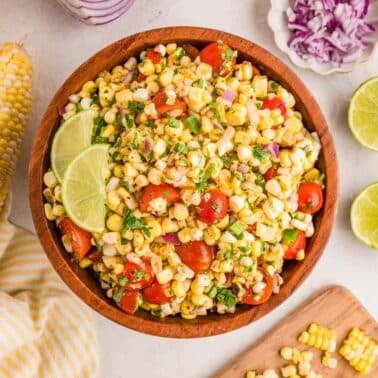
Fresh Corn Salsa
15 minutes
Fresh corn salsa with corn, cherry tomatoes, jalapeño, and lime—an easy no-cook dip ready in just 15 minutes, perfect with chips.
Where the tradition comes from
Southern vegetable cooking pulls from three places at once. Corn, beans, and squash are Indigenous crops that were grown here long before anyone else arrived. Okra, field peas, and several of the greens came from West Africa, carried over during the slave trade and planted by the enslaved people who then did most of the cooking.
Simmering greens down slowly and saving the pot likker has roots in both African and European kitchens, and food historians still disagree about how much came from where.
The pork is easier to account for. Hogs were cheap to keep, they foraged for themselves, and salt-cured pork kept through a Southern summer with no refrigeration. So a piece of it went in the pot with whatever the garden was producing, and that’s still the flavor most people expect in Southern vegetables.
Slow simmering with seasoning meat
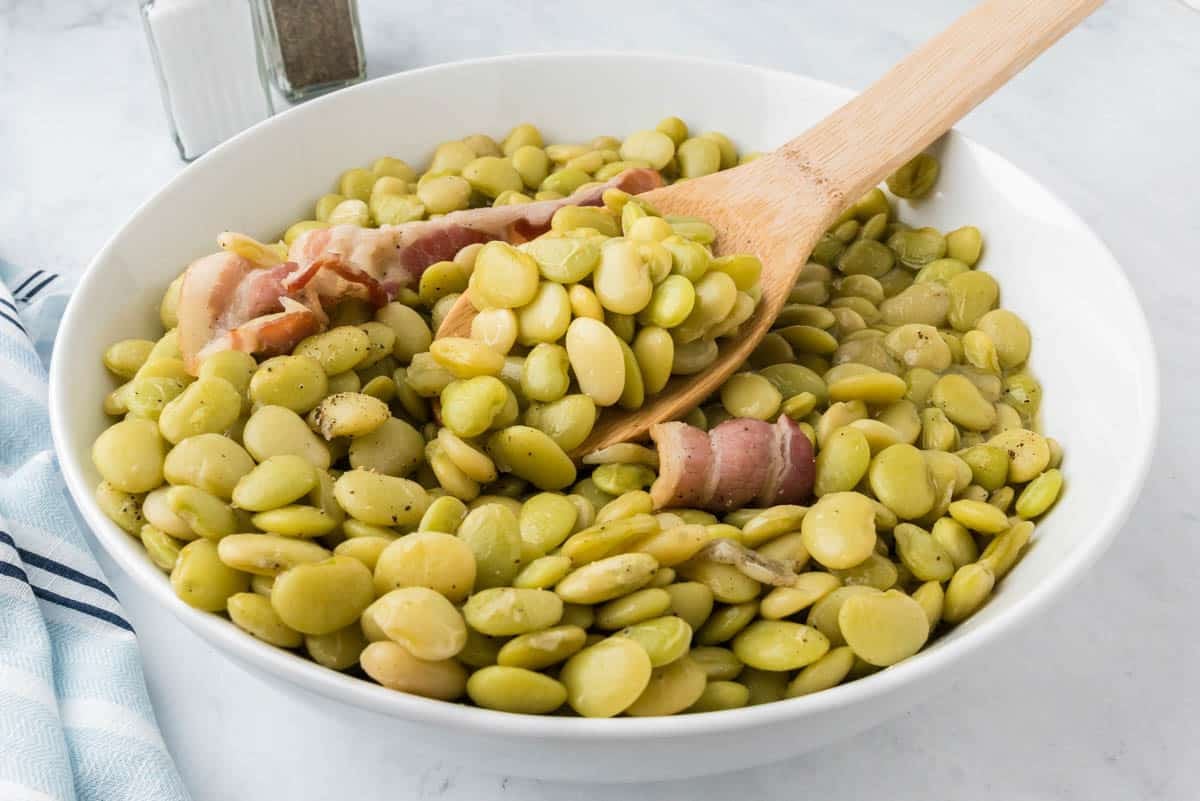
This is the oldest way to cook Southern vegetables, and still the one most people picture. A piece of salt pork, a ham hock, a few strips of bacon, or a spoonful of bacon grease goes into the pot with water, and the vegetables cook down slowly until they’re tender and seasoned all the way through. Nothing about it is fast, and nothing about it is crisp.
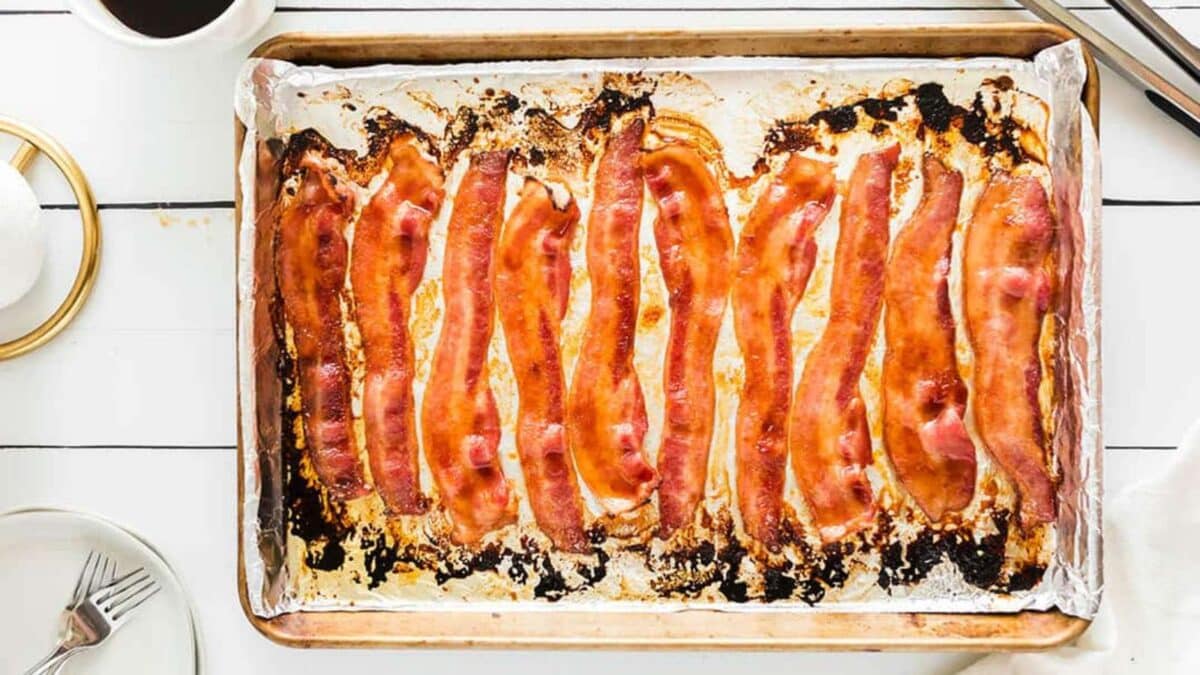
Green beans and butter beans are excellent candidates for simmering an hour or so. Both my Old-Fashioned Green Beans and my Southern Butter Beans Recipe are cooked this way. Field peas, crowder peas, and collard greens all follow the same pattern.
If you cook this way often, keep a jar of drippings near the stove. How to Save and Use Bacon Grease covers straining it and how long it keeps.
Frying in cornmeal
Okra, green tomatoes, and summer squash all take the same treatment. Slice them, dredge them in cornmeal, and fry them in a shallow layer of hot oil in a heavy skillet. A finer grind sticks to the slices better and gives a crispier crust, so choose your cornmeal carefully. My article Southern Cornmeal Types goes through white versus yellow and stone-ground versus steel-ground.
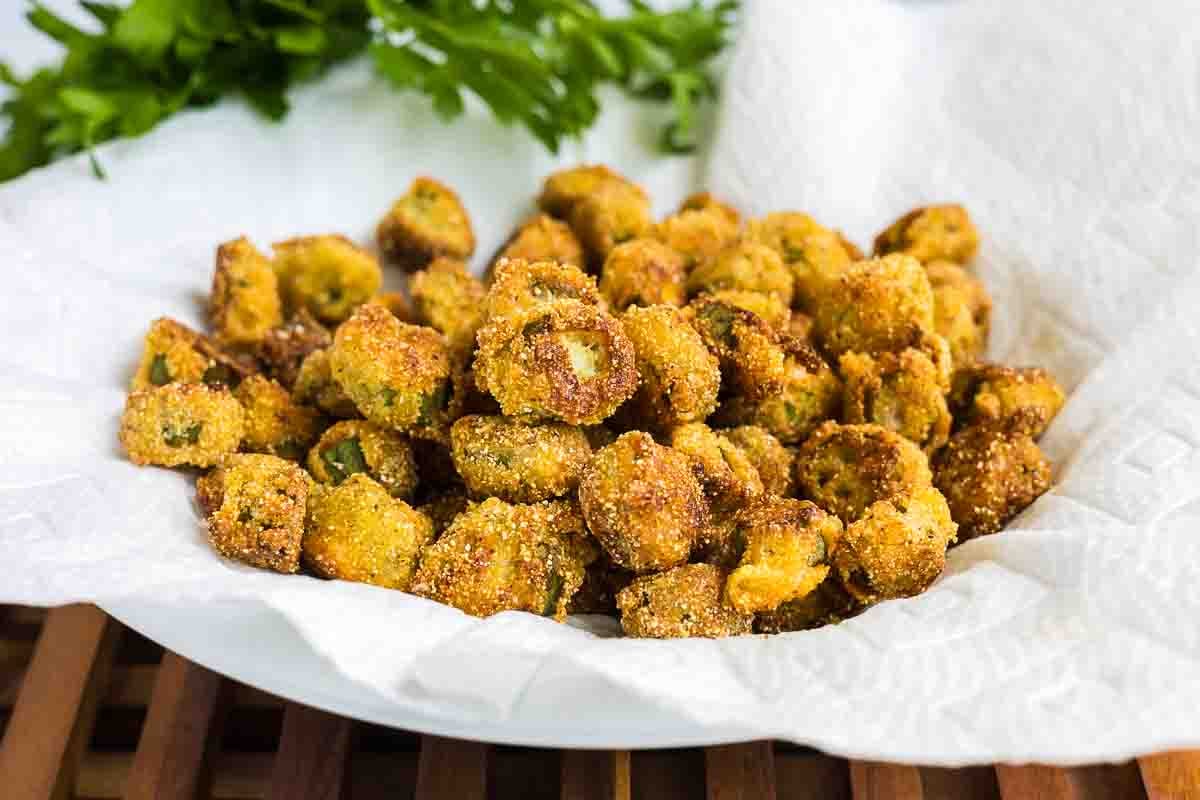
My Southern Fried Okra is so simple, with just a dredge of cornmeal on the damp okra, cooked in a skillet with oil and not deep fried. Hans Rueffert’s Honey-Cumin Okra takes the same vegetable somewhere else entirely and is a unique and delicious way to enjoy okra.
Baking into a casserole
Casseroles are where Southern vegetable dishes turn into the food people ask you to bring. The pattern holds across most of them: a cooked vegetable, something creamy, a cheese or cracker topping, and enough oven time for the top to brown.
Most old Southern recipes are going to call for a can of creamed soup of one flavor or another. You’ll find plenty of Southern blogs who will shy away from using canned soup and will offer you a homemade version and that’s fine. I’m not messing with all that. I do it the old-fashioned way and my casseroles are delicious every time. It’s not like you’re eating this stuff every day, so everything in moderation applies.
Grandma’s Corn Pudding
1 hour 25 minutes
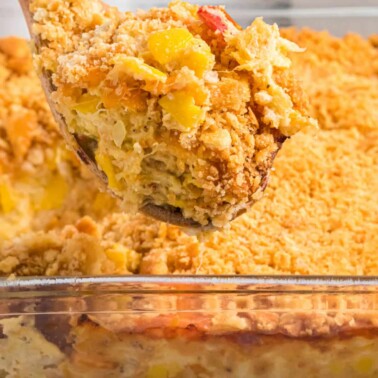
Squash Casserole Recipe
1 hour 30 minutes
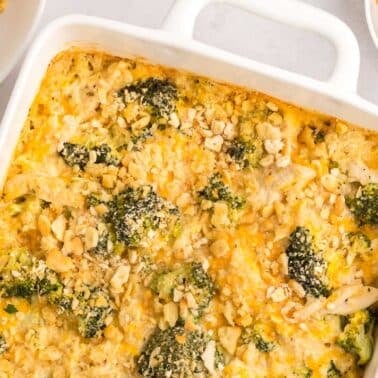
Chicken Broccoli Rice Casserole
40 minutes
Squash Casserole Recipe is a favorite summer casserole of this and Grandma’s Corn Pudding is one of my most popular recipes, especially during the holidays. This Southern Broccoli Casserole is a different version that what you typically see, with crushed cheese crackers for the topping and bacon in the casserole. It’s literally one of my favorite casseroles ever, so I added this recipe to our Thanksgiving menu years ago and now it’s on demand every year.
Roasting vegetable
Roasting isn’t necessary traditional Southern cooking, but it has earned a permanent spot in how I cook now, and I’d even go so far as to say this is my favorite way to eat most vegetables. You can keep it simple with high heat, a sheet pan, olive oil, salt and pepper. What roasting does that simmering doesn’t is concentrate the sugars, so vegetables that turn bland in boiling water turn sweet instead.
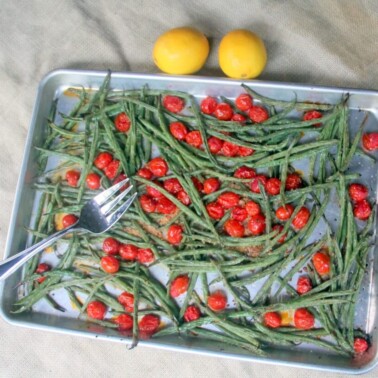
Garlic Roasted Green Beans and Tomatoes
25 minutes
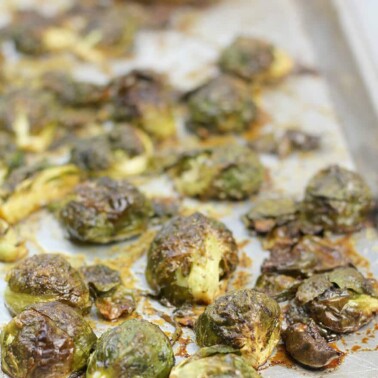
Caramelized Roasted Brussels Sprouts
50 minutes

Spicy Roasted Cauliflower
40 minutes
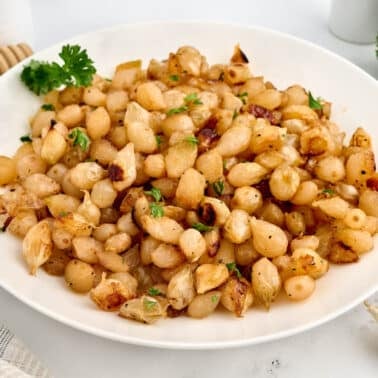
Roasted Pearl Onions
1 hour 25 minutes
Raw and marinated
Not everything gets cooked. Cucumbers, tomatoes, onions, and sweet peppers show up raw or soaking in vinegar all summer, because nobody wants the stove on in August.
Cucumber Onion Salad is the classic, with cucumbers and sweet onions and vinegar, and it gets better sitting in the refrigerator for days. Marinated Vegetables does the same thing with a mixed batch. Texas Caviar combines canned black-eyed peas with lots of fresh vegetables into something the perfect dip for any occasion.

Cucumber Onion Salad
20 minutes
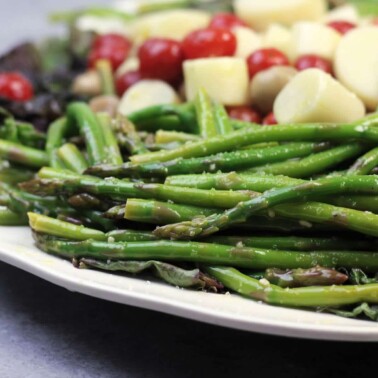
Marinated Vegetables
4 hours 20 minutes
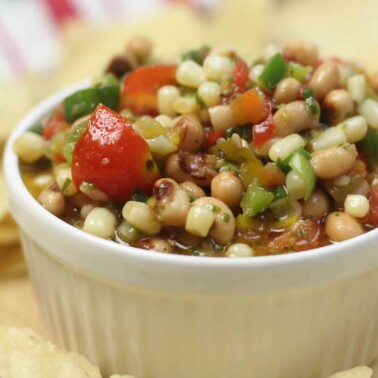
Texas Caviar
30 minutes
Cucumber Tea Sandwiches
20 minutes
The Southern vegetable plate
Most of the time these are Southern vegetable side dishes, sitting next to a piece of meat. Order a Southern vegetable plate at a meat-and-three and you get three or four vegetables and a square of cornbread, and that’s the entire meal. It’s heavenly!
It works the same way at home. Pick ones that cook differently so the plate isn’t all soft: something simmered, something fried, something baked, and a cold vinegar salad. And you gotta add cornbread or biscuits.
Seasoning without meat
A traditional vegetable supper is not vegetarian. The ham hock in the butter beans and the bacon in the green beans are seasoning, and they’re doing three jobs at once: salt, fat, and a smoky savory depth that water won’t give you on its own.
Cooking Southern vegetables without meat means replacing all three. Replacing only the fat is the most common miss, and it’s why a meatless pot of green beans tastes thinner than the version people remember. You can use just butter if you want to omit the pork; however, you’ll lose a lot in terms of flavor.
What to cook when
Just like fruit, fresh vegetables are at their best when they’re seasonal. Nobody wants a greenhouse tomato in February when you can wait on a sweet, juicy, sun-ripened tomato in July. Most Southern vegetables are warm-weather food. Okra, summer squash, field peas, corn, and tomatoes all ripen in summer.
However, this is the reason Southerners spend so much time during the summer “putting up” all the good fresh vegetables. My Mama is in her 80s and she still cans quarts and quarts of green beans and tomatoes and other things all summer. We freeze and can everything so that we can enjoy the best flavor all year long.
Fall and winter shift to greens, sweet potatoes, and winter squash, while spring has asparagus, sugar snap peas, lettuces. Lettuces are also grown in the fall.
Related 📖 ➡️: Lana Stuart of Lana’s Cooking on Canning
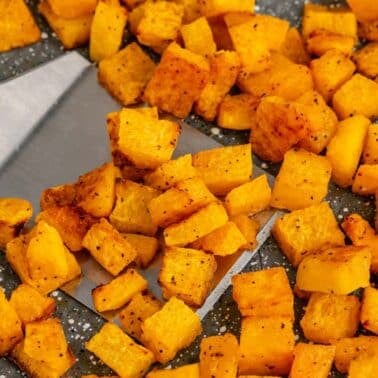
Roasted Butternut Squash Cubes
55 minutes
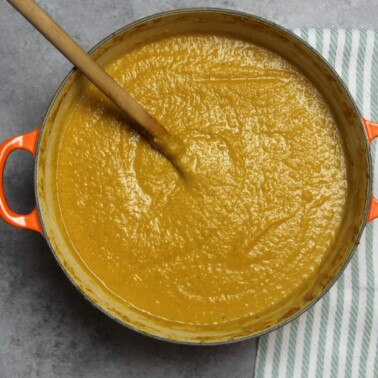
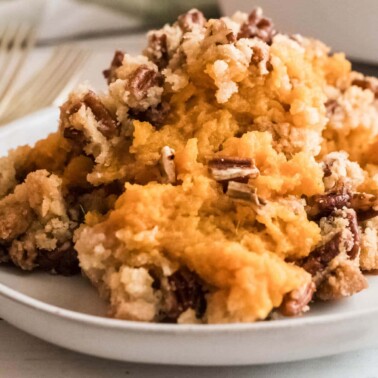
Sweet Potato Casserole
2 hours 20 minutes
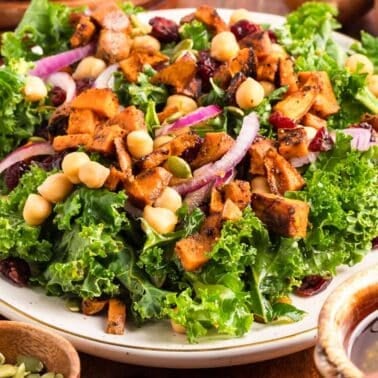
Kale and Sweet Potato Salad
30 minutes
Where to start
Cook one vegetable each way over the next month and you’ll find out quickly which methods suit how you eat. The Sides and Vegetables archive holds every one of my Southern vegetable recipes, so you can browse by whatever is in season.
Southern Sides and Salads goes deeper on seasoning and technique, and Best Southern Comfort Food Recipes puts these vegetables next to the mains they usually come with.
If you enjoyed this article, please leave a comment and ⭐️⭐️⭐️⭐️⭐️ below!
➡️➡️➡️ Reading from your phone? Members of The Red Clay Society read every recipe and article on the site with NO ADS, plus they get The Red Clay Journal, The Red Clay Kitchen cookbook, and The Front Porch, our member community.